
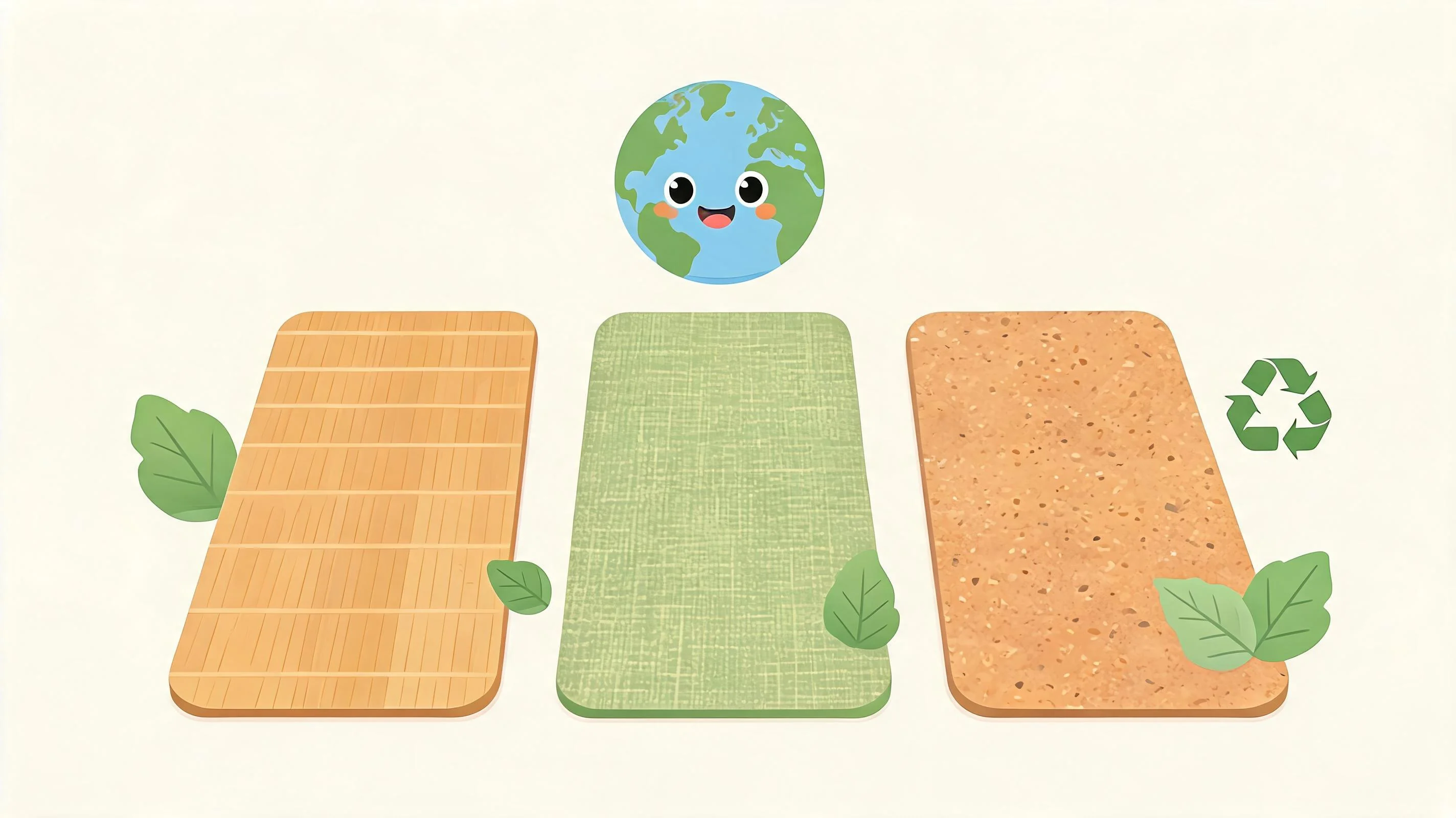
Key Takeaways
- Sustainable = three things together: responsibly sourced material, non-toxic composition, and long service life.
- Material reality check: natural rubber and cork are renewable; TPE is recyclable and latex-free; conventional PVC is the problem child — slow to biodegrade and chlorine-based.
- Durability is the most honest green metric — one dense mat that lasts five years beats three eco-branded ones that last eighteen months.
- Certifications worth knowing: OEKO-TEX and SGS-style testing signal verified low-toxicity; vague terms like natural or earth-friendly signal nothing.
- End of life matters: some mats recycle or upcycle; PVC mostly heads to landfill.
The greenwashing problem
Yoga buys sustainability language easily, so every second product page now says eco. But a mat's environmental story has chapters marketing rarely mentions: where the raw material came from, what off-gasses in your living room, how many years it serves, and where it goes when it dies.
OM Magazine's guide to choosing eco mats frames it well: the question isn't whether the label says green — it's whether the material story survives scrutiny.
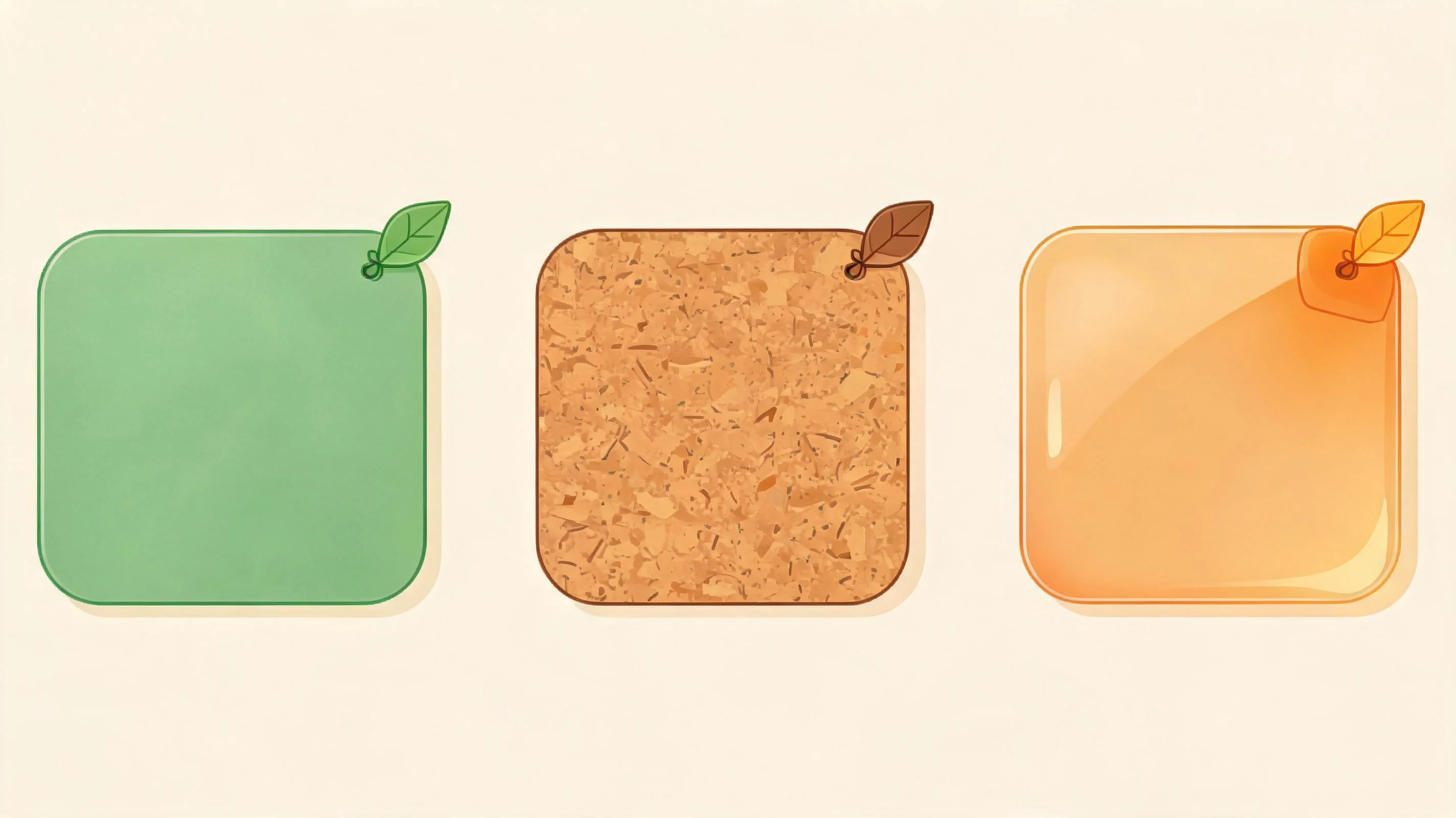
What each material actually is
Natural rubber
Sap tapped from rubber trees — a renewable cycle. Excellent grip and density; contains latex (relevant if you're allergic). Production is resource-intensive but the material itself biodegrades far better than synthetics.
TPE
A recyclable thermoplastic elastomer, typically free of PVC, latex and heavy metals. Lighter, moderate grip, moderate lifespan. Its green credential is real but narrower than ads suggest: it lasts less than rubber and recycling depends on local facilities.
Cork
Harvested from bark without felling trees — genuinely regenerative. Naturally antimicrobial and grippy when damp. Usually bonded to a rubber base; the pair works well but check what the glue is.
Conventional PVC
Cheap, durable and grippy — and the environmental laggard. Chlorine-based chemistry, plasticizer concerns, and effectively non-biodegradable. If eco impact ranks high for you, PVC is the one to pass on; Flexa's material breakdown reaches the same conclusion.
Durability is the real sustainability
Here's the uncomfortable math: manufacturing any mat consumes resources. A mat replaced every eighteen months triples that cost versus one serving five years. The longest-lived mat you'll actually keep using is usually the greenest choice available — which is why density and build quality belong in every eco conversation.
Large-format dense mats make this concrete: a GXMMAT Extra Large Yoga Mat 6'x10' serves solo practice, partner flows and general floor training in one purchase instead of three specialized mats — fewer items manufactured, shipped, stored and eventually discarded.
Certifications and labels worth checking
- OEKO-TEX / SGS-type testing — third-party verification of low harmful substances; the strongest common signals.
- Latex-free / heavy-metal-free claims — meaningful for TPE products when documented.
- Vague words — natural, earth-friendly, green without specifics — mean nothing verifiable.
If a brand can't name its material composition plainly, treat its eco claims as decoration.
End of life: what happens after practice
- Natural rubber and cork biodegrade far better than synthetics, though bonded layers complicate it.
- TPE is technically recyclable — acceptance depends entirely on your local facility.
- PVC rarely recycles; most ends up incinerated or landfilled.
- Upcycling works for everything: Hugger Mugger lists donation to studios and shelters, knee pads, seat cushions and pet mats as second lives. Programs like ContinuOM Collective collect and repurpose mats at scale.
The greenest exit plan is still delaying the exit — care routines (wipe, dry, store shaded) stretch every material's years.
If you're choosing with all three lenses — material, longevity, end-of-life — a roomy workhorse like the GXMMAT Large Yoga Mat 6'x8' covers years of evolving practice without replacement cycles.
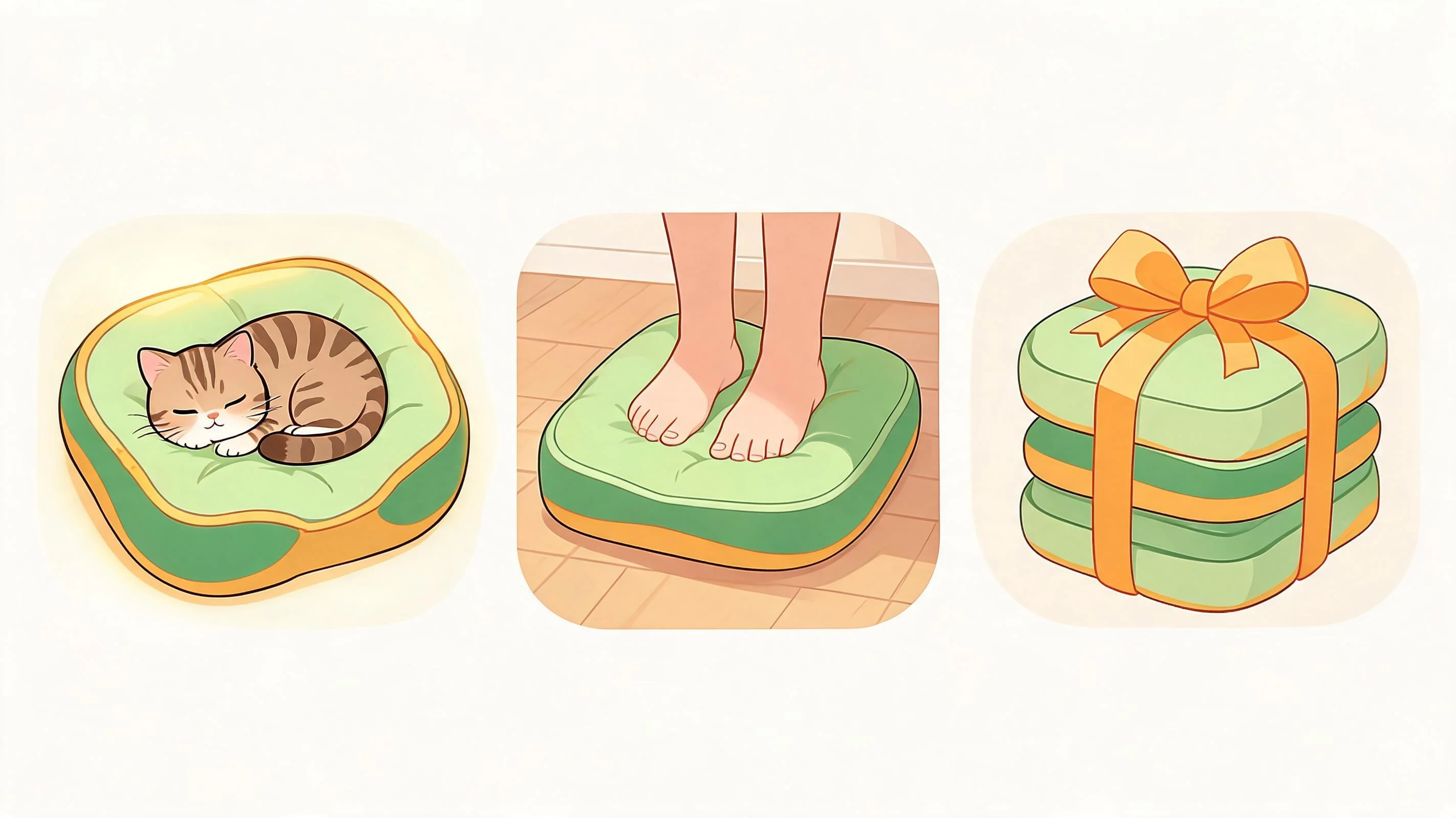
Bottom line
Cut through the labels with three questions: what is it made of, how long will it serve, and where does it go afterward? Favor renewable or recyclable materials over PVC, weight durability above slogans — because the mat you keep for five years is greener than three you retire early — and plan a second life through donation or upcycling when the time comes.