

Key Takeaways
- Movement is a productivity lever, not a distraction — short breaks improve focus, memory and mood.
- Prolonged sitting is linked to poorer mental health and lower engagement among white-collar workers.
- Comfort is the barrier that decides participation — an uncomfortable mat quietly kills a wellness program.
- Physically active employees report less stress, more energy and better job satisfaction.
- Wellness supports retention — workers are more inclined to stay where they feel cared for.
The Business Case for Employee Fitness
Fitness is easy to dismiss as an optional benefit. The payout only becomes clear once you set movement against what an office actually asks of people all day: prolonged sitting, mental demand and stress.
The evidence lines up with the instinct. Physical activity helps regulate sleep and mood and supports mental well-being, and employees who exercise regularly report lower stress, less fatigue and better ability to focus. In workplace studies, well-designed physical activity programs have shown positive effects on productivity and work ability, and can help reduce sick leave.
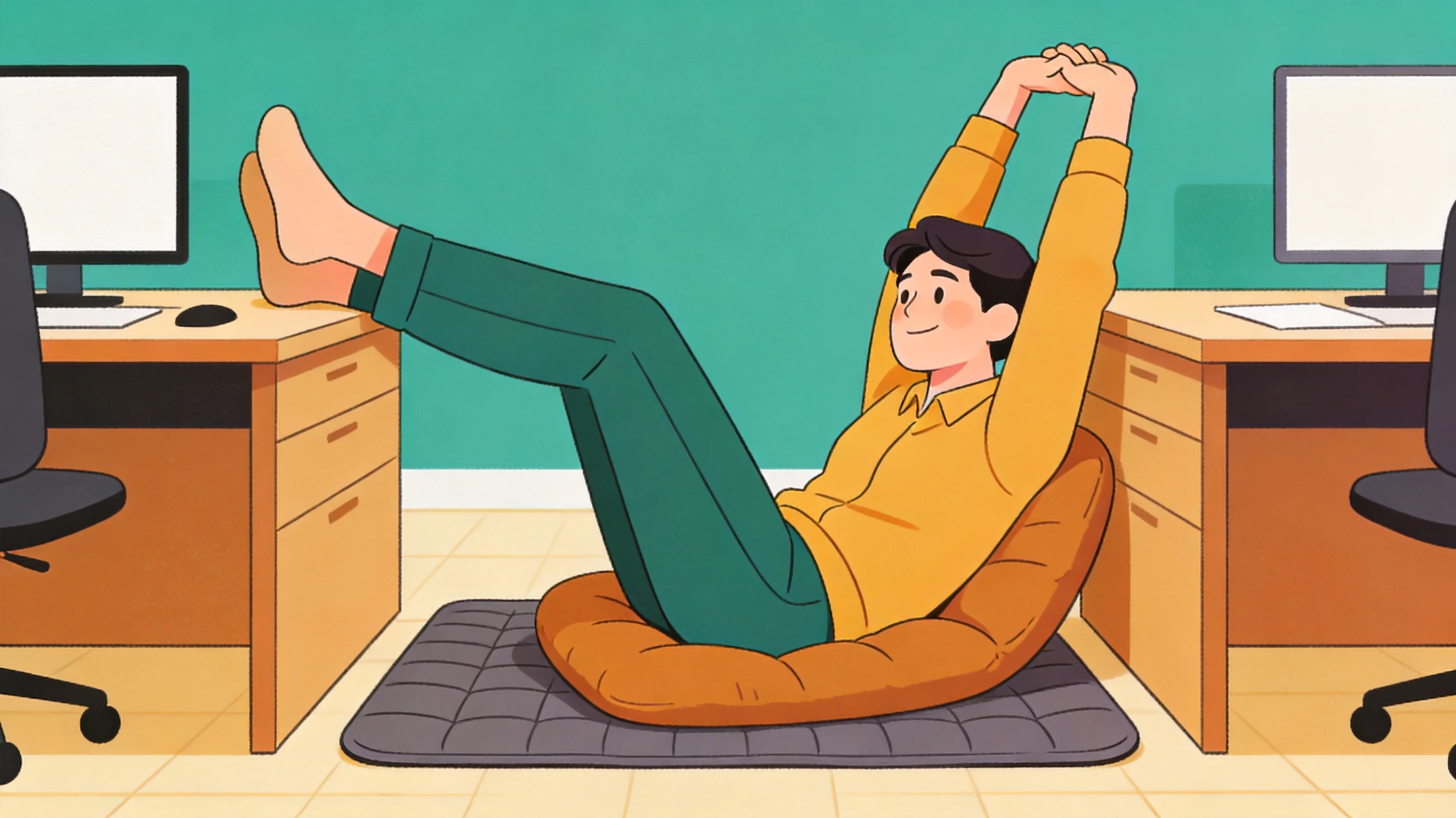
None of this requires a gym. Much of the gain comes from short, regular movement breaks — the kind a mat corner makes easy.
Why Comfort and Cushioning Matter
Here is the part most corporate buyers miss: an employee will only use a fitness benefit if it is comfortable from the first attempt.
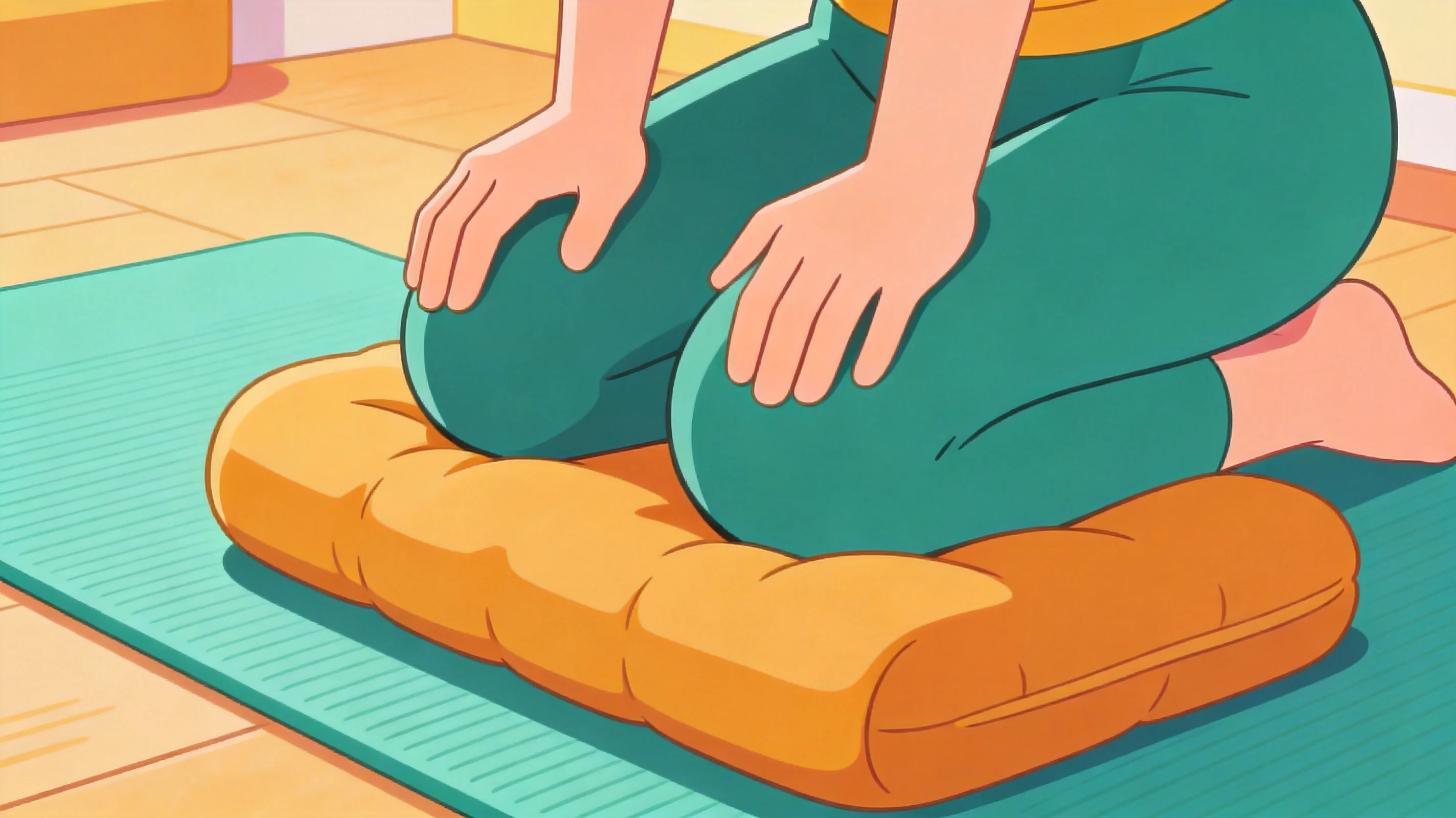
Floor work — stretching, core, mobility — asks people to put knees, elbows, hips and backs down on a hard office floor. If that is uncomfortable, they try it once and quietly stop. The program is then a waste of budget, not because of lack of interest but because of a bad surface.
A cushioned mat changes the math. It absorbs the floor, cushions joints and stays stable so movements feel pleasant and safe. Comfort is not a luxury in an evaluation — it is the single largest driver of whether the benefit gets used.
That is why thickness and support matter more than polish. A mat that feels good gets rolled out again tomorrow.
Designing a Benefit That People Actually Use
A fitness benefit only pays back what it earns in use. Design it so participation feels effortless:
- Put movement breaks in the rhythm of the day — even one or two minutes every half hour reduces sedentary time and supports metabolic health
- Make the space obvious and ready — mats out, clean and within reach beat a dedicated room nobody remembers
- Lead visibly — when managers stretch and move too, it signals the benefit is real
- Keep it flexible — some people want a guided flow, others a quiet solo stretch; offer both
- Combine with the workplace — pair mats with standing desks, walking breaks and sit-stand options to reduce total sitting
Short, consistent breaks work because they fit the day. A mat you can reach in seconds is the difference between a benefit and a checkbox.
Measuring the Payback
To make the case for renewal, track the things that matter and stay credible about the limits:
- Participation — how many people use the mats, and how often
- Engagement — survey stress, mood and energy before and after the program
- Attendance — look at sick leave and absenteeism trends over time
- Retention signals — watch turnover and tenure among people who actively engage
- Productivity proxy — focus, breaks taken, and self-reported ability to concentrate
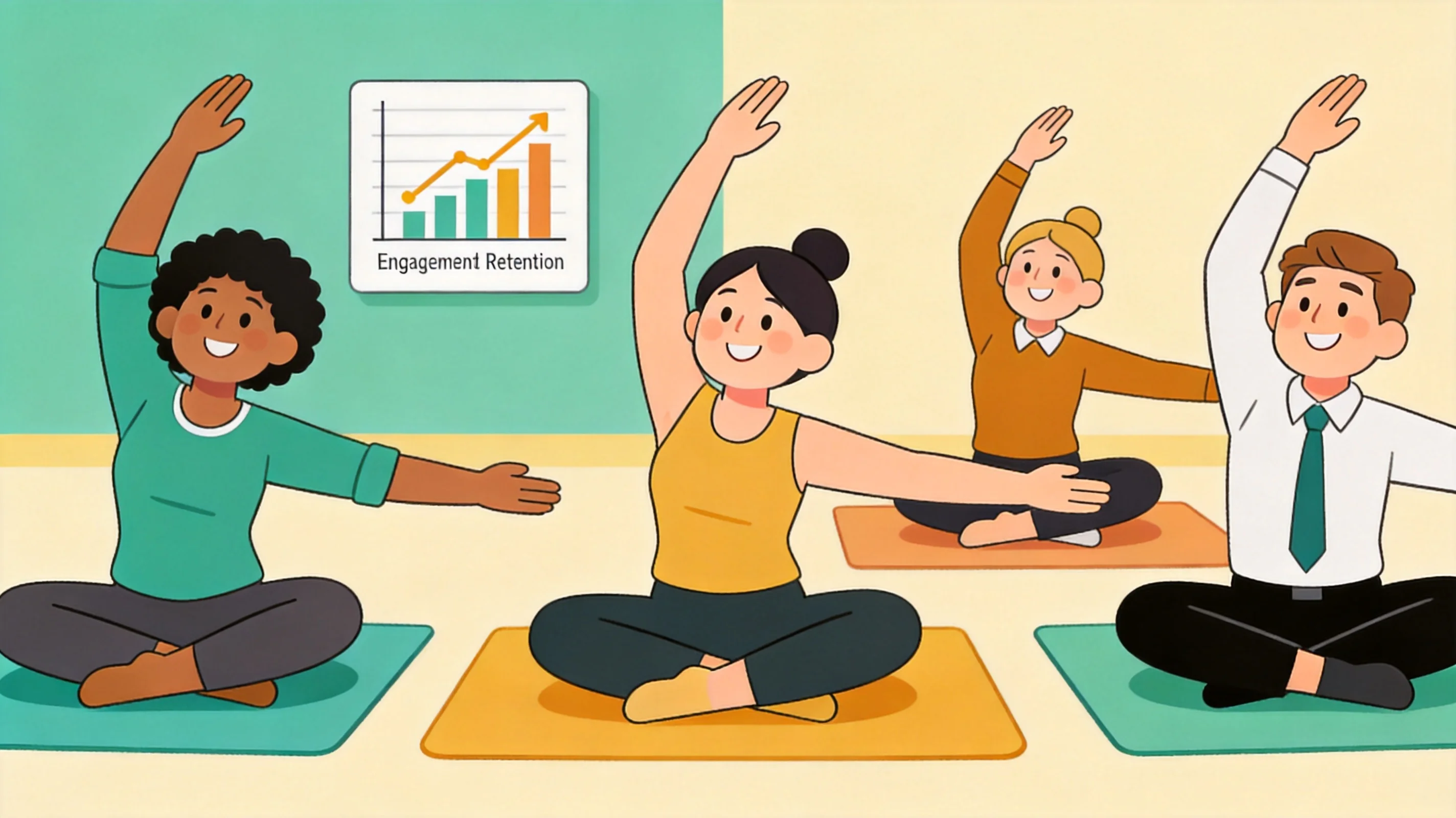
Wellness has been shown to generate real returns — reduced sick days, improved focus and a stronger reason to stay. Tracking participation and engagement gives you the honest evidence to keep funding it.
Bottom line
The case for an employee fitness benefit is stronger than most realize: movement and comfort improve wellbeing, focus and the reasons people stay. Comfortable mats are the affordable foundation that makes the floor work worth doing at all.
When a company standardizes that mat across sites, the same benefit can become a piece of employee brand — a custom-banded wellness mat handed out in welcome kits that says, visibly, that your health at work matters.