
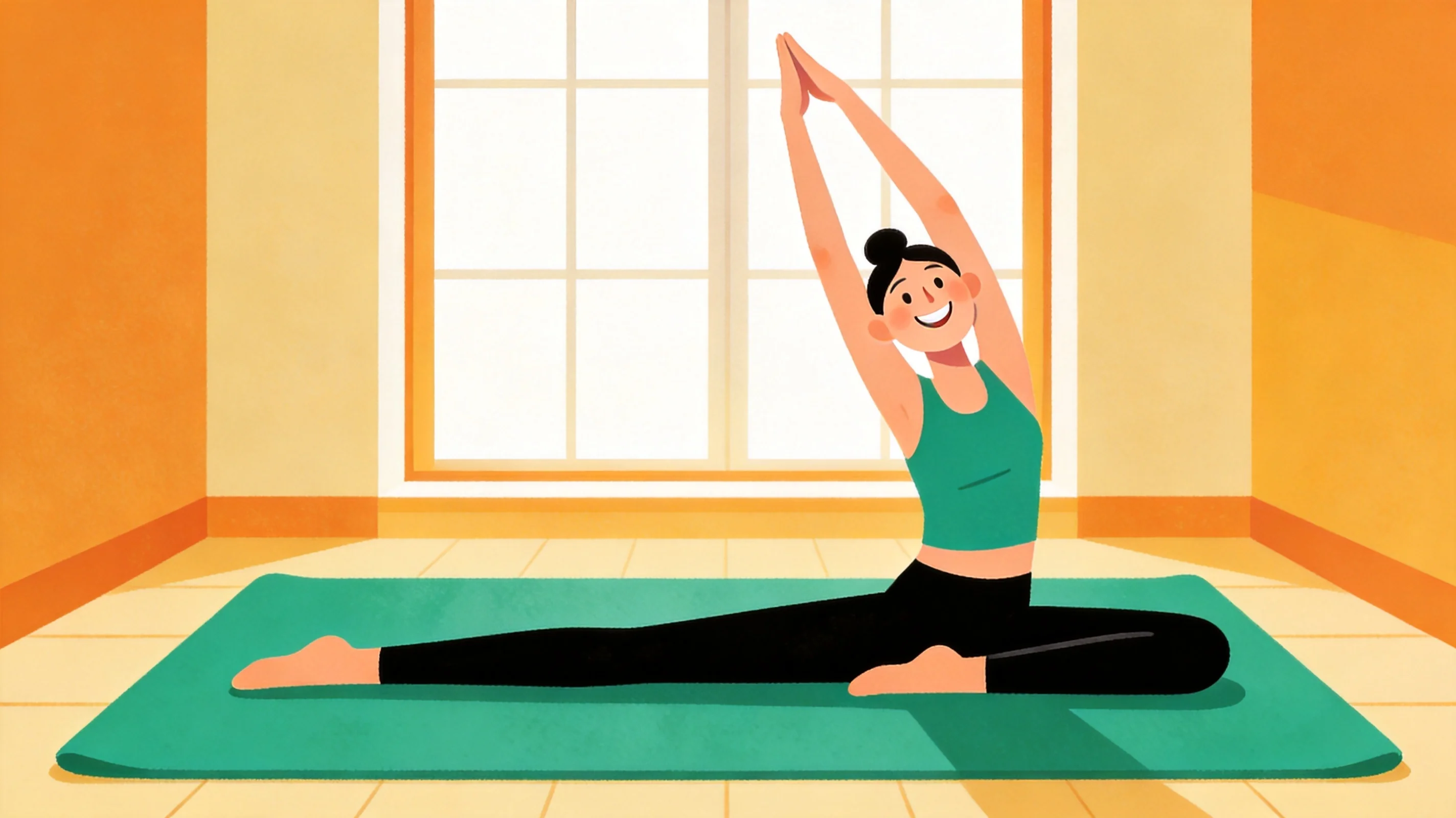
Key Takeaways
- Standard mats are 68 inches long — designed around average height, which is why anyone over about 5'8" runs out of mat.
- A simple rule: your mat should be at least your height plus 6 inches so head and heels stay on in savasana.
- Width is the underrated half of comfort; 26–32 inches stops hands from dangling off the sides.
- Oversized formats (6 feet by 10 or 12 feet) turn one purchase into a full home practice surface for yoga, stretching and floor work.
The wrist-overhang problem
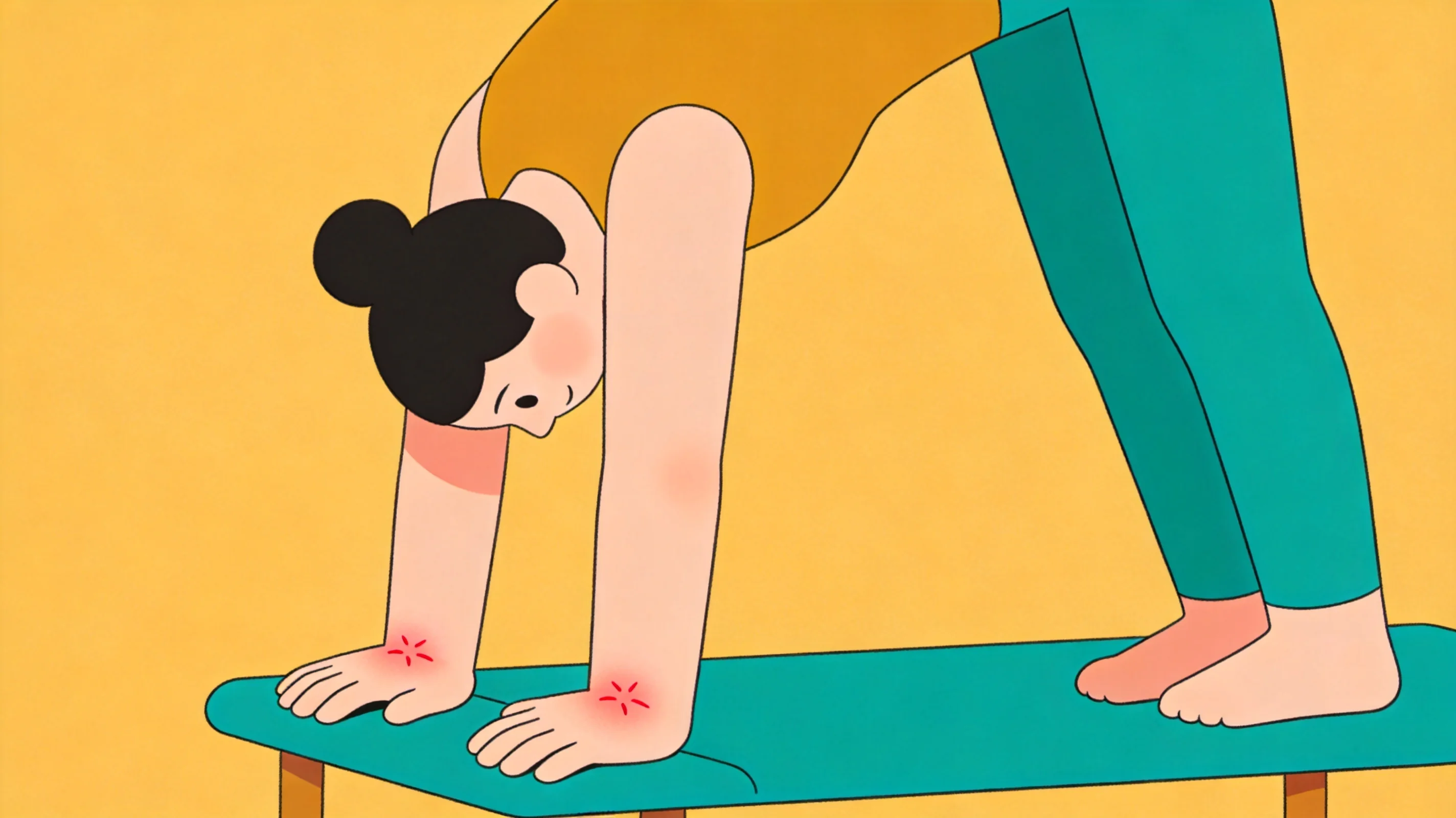
Ask any taller practitioner what annoys them about yoga and the answer is almost always the same: hands sliding off the edge in downward dog, heels floating past the end in savasana, fingers hovering above hardwood during planks. It is more than cosmetic. When part of your weight lands off the mat, pressure concentrates on wrists and knuckles instead of spreading across the palm. Over time that changes alignment in exactly the poses where alignment matters most.
The cause is arithmetic, not effort. A standard 24-by-68-inch mat was sized decades ago around an average practitioner. If you are 6'2", lying flat already exceeds the diagonal budget of that mat before you even reach your arms overhead.
Mat length math for your height
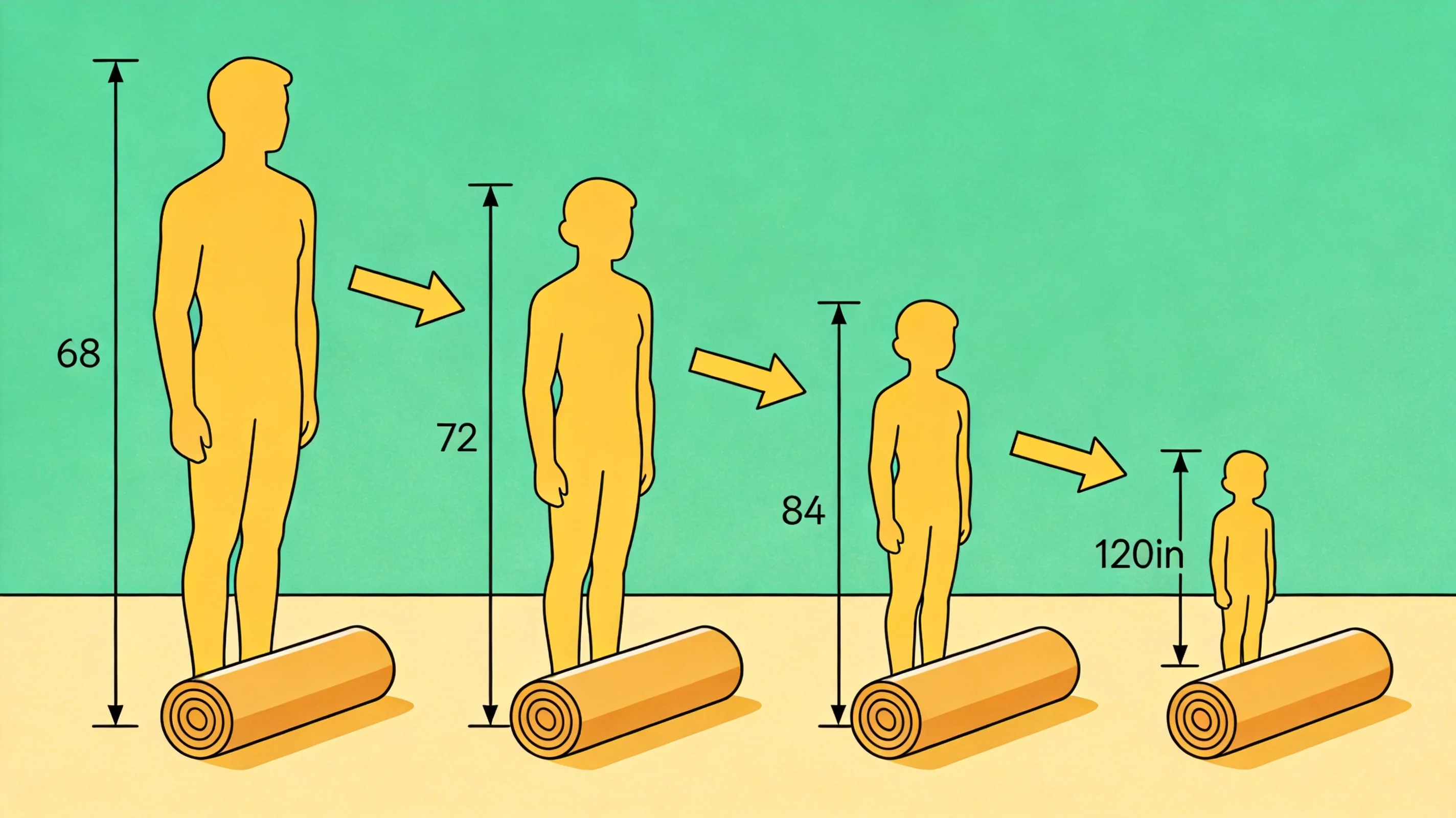
Here is the sizing shortcut worth memorizing:
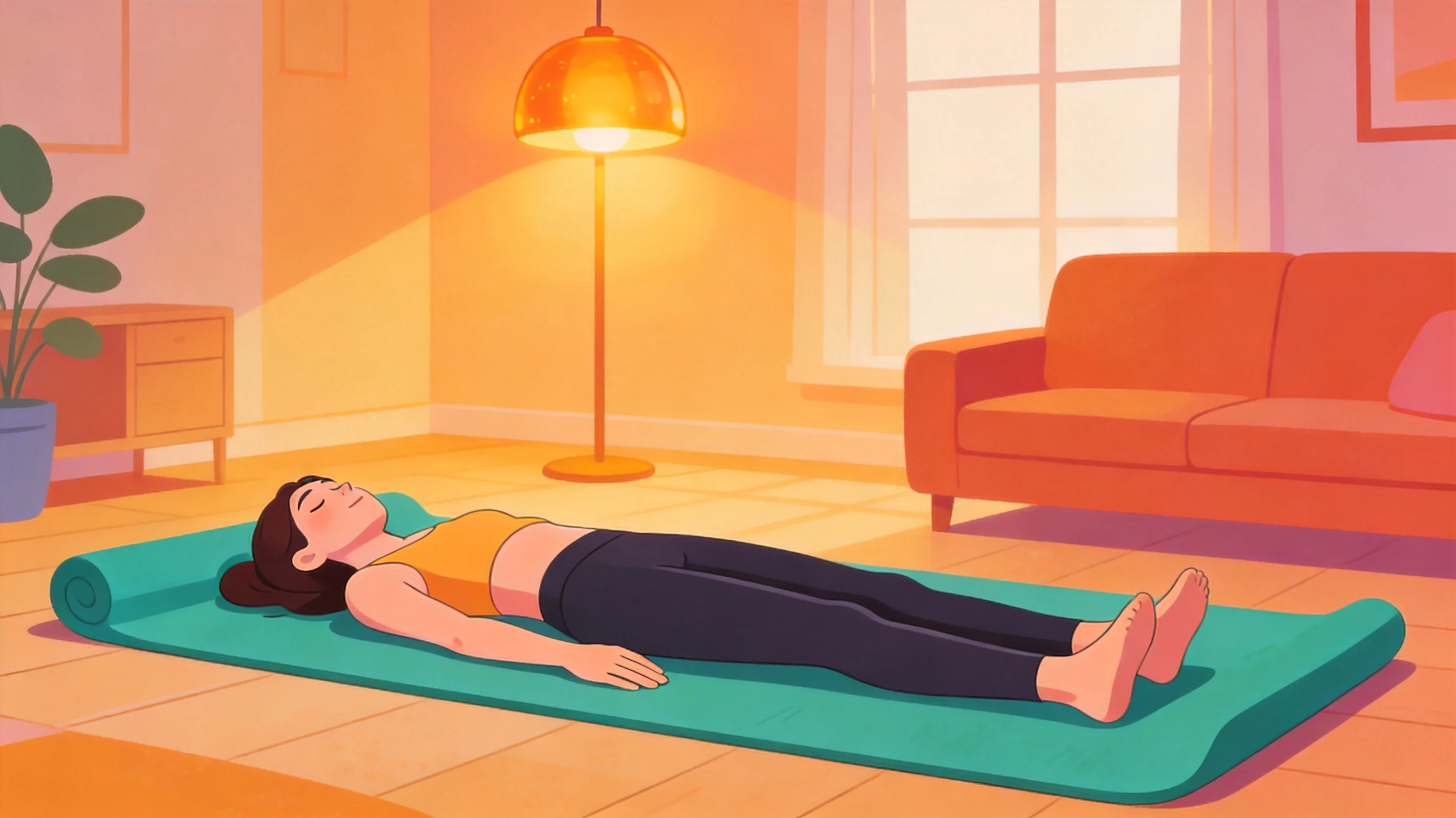
- Your height + 6 inches = minimum mat length. That margin covers arm extension overhead and keeps heels supported in reclined poses.
- Under 5'8": a 68-inch standard mat works.
- 5'8"–6'0": look at 72-inch mats as the entry point.
- 6'0"–6'4": 78–84 inch extra-long territory.
- Over 6'4": standard rectangular mats stop making sense; this is where extra-large formats earn their keep.
The same logic applies to beginners buying their first mat — starting with adequate length removes a distraction before it ever appears. A dense oversized option like the GXMMAT Extra Large Yoga Mat 6'x10' makes the height question disappear entirely: at ten feet long, every pose fits with room left over for props.
Width matters too
Length gets all the attention, but narrow width causes its own quiet problems. Warrior II on a 24-inch strip means the front heel and back heel fight for territory. Side planks put your supporting hand right at the edge. Wide stances in stretching feel restricted.
Extra-wide surfaces change the geometry of standing poses. With 30-plus inches of width, warrior stances fit naturally, side-body work stays fully supported, and two people can even share the space for partner stretching. Combined with length, width is what turns a mat from a strip into a genuine practice zone.
Oversized options worth knowing
For tall practitioners, three formats cover most situations:
- Extra-long rectangle (84 inches): the direct upgrade for studio classes; still portable enough to carry.
- Large home format (6' x 10'): roomy enough for any pose plus a water bottle and blocks; rolls up like a sleeping bag.
- Full-room format (6' x 12'): for dedicated home studios — the GXMMAT Extra Large Yoga Mat 6'x12' covers an entire practice wall-to-wall zone where sun salutations never run out of runway.
Home practice removes the portability constraint entirely, which is why oversized mats have become the default recommendation for anyone over six feet who practices outside a studio.
Fitting a big mat into your space
Oversized does not mean impractical:
- Measure first: allow the full mat footprint plus a few inches of walk-around space.
- Roll, do not fold: rolling protects density and lies flat instantly on unroll.
- Furniture doubles as storage: many people slide a rolled large mat behind a sofa or under a bed between sessions.
- Clean easily: big smooth-surface mats wipe down faster than a gym floor ever would.
One honest trade-off: a 6-by-10-foot mat will dominate a small bedroom. In living rooms, guest rooms and basements, though, it simply looks like intentional workout space — because it is.
Bottom line
Tall practitioners do not need to modify a single pose; they need a mat built to their actual dimensions. Aim for your height plus six inches as a floor for length, real width for stance poses, and consider going oversized if you practice at home. The wrist-overhang era ends the day the mat finally matches the body using it.