
Key Takeaways
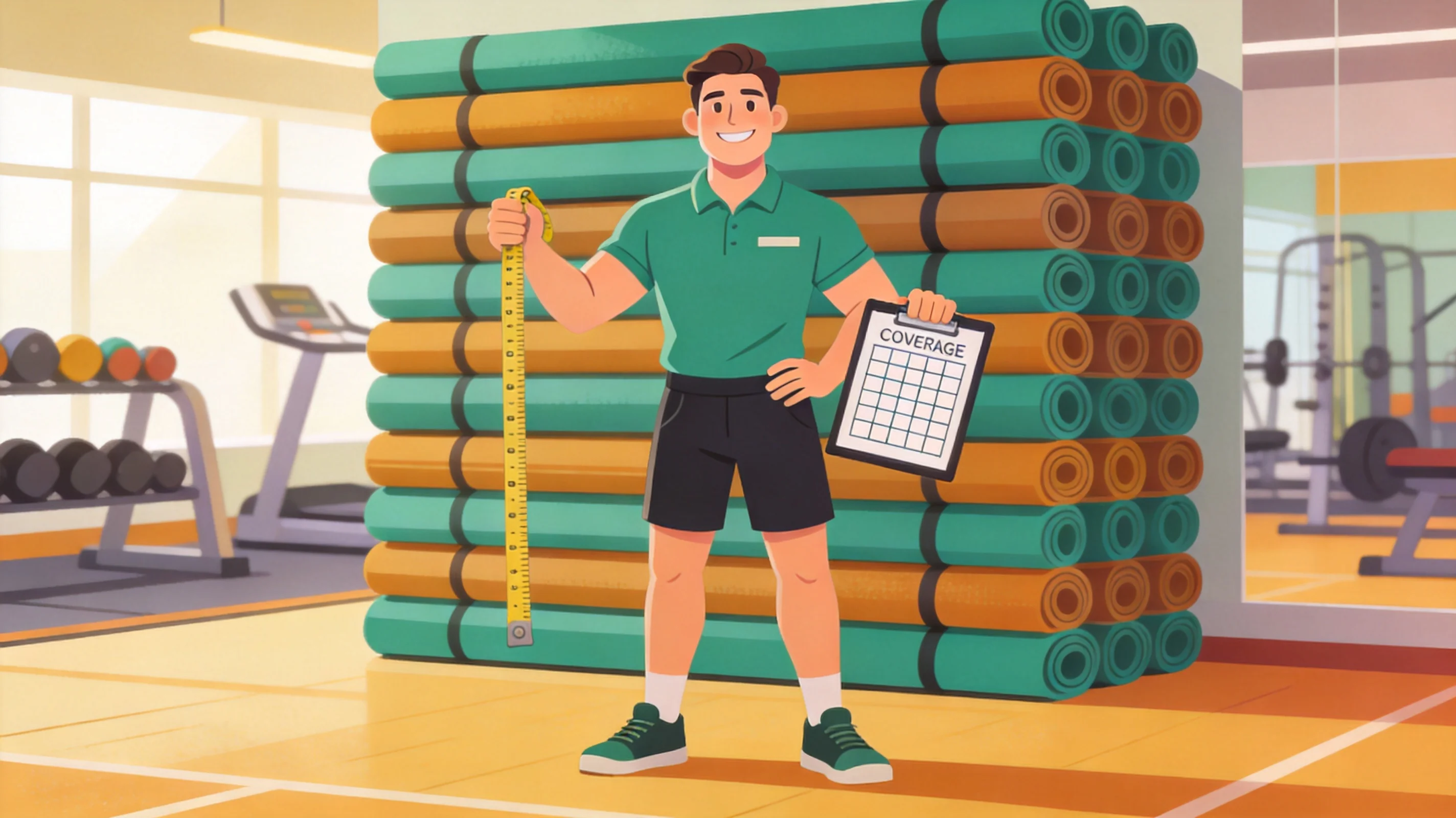
- Bulk buying changes the math from per-unit to per-square-foot. Coverage, not count, is what actually protects your floor.
- Count your square footage first — a standard 6x4 foot mat covers 24 sq ft, and a 6x10 mat covers 60.
- Commercial rubber flooring runs roughly $1.50 to $5 per sq ft, with thicker and more durable options at the higher end.
- Volume discounts kick in around 20 to 100+ units, and unit price can drop up to a third for a genuine bulk order.
- Leave a small buffer of spares — a gym always needs replacement mats for high-traffic zones and damaged corners.
Why Bulk Buying Is Different
Most everyday mat purchases are about picking one good product for one person. Bulk buying flips that. You are not buying this handful or that handful of mats — you are buying coverage for a space that dozens of people will use every day.
The difference changes your priorities. Instead of asking what feel is nicest, you ask what thickness holds up to daily drops and cleanings. Instead of buying one, you buy in rounds. And instead of comparing retail prices, you compare wholesalers who reward volume.
It also changes who you talk to. Retail pricing rarely applies once you cross a certain quantity, so you want suppliers who publish (or share) commercial rates.
Floor Coverage Math for Gyms
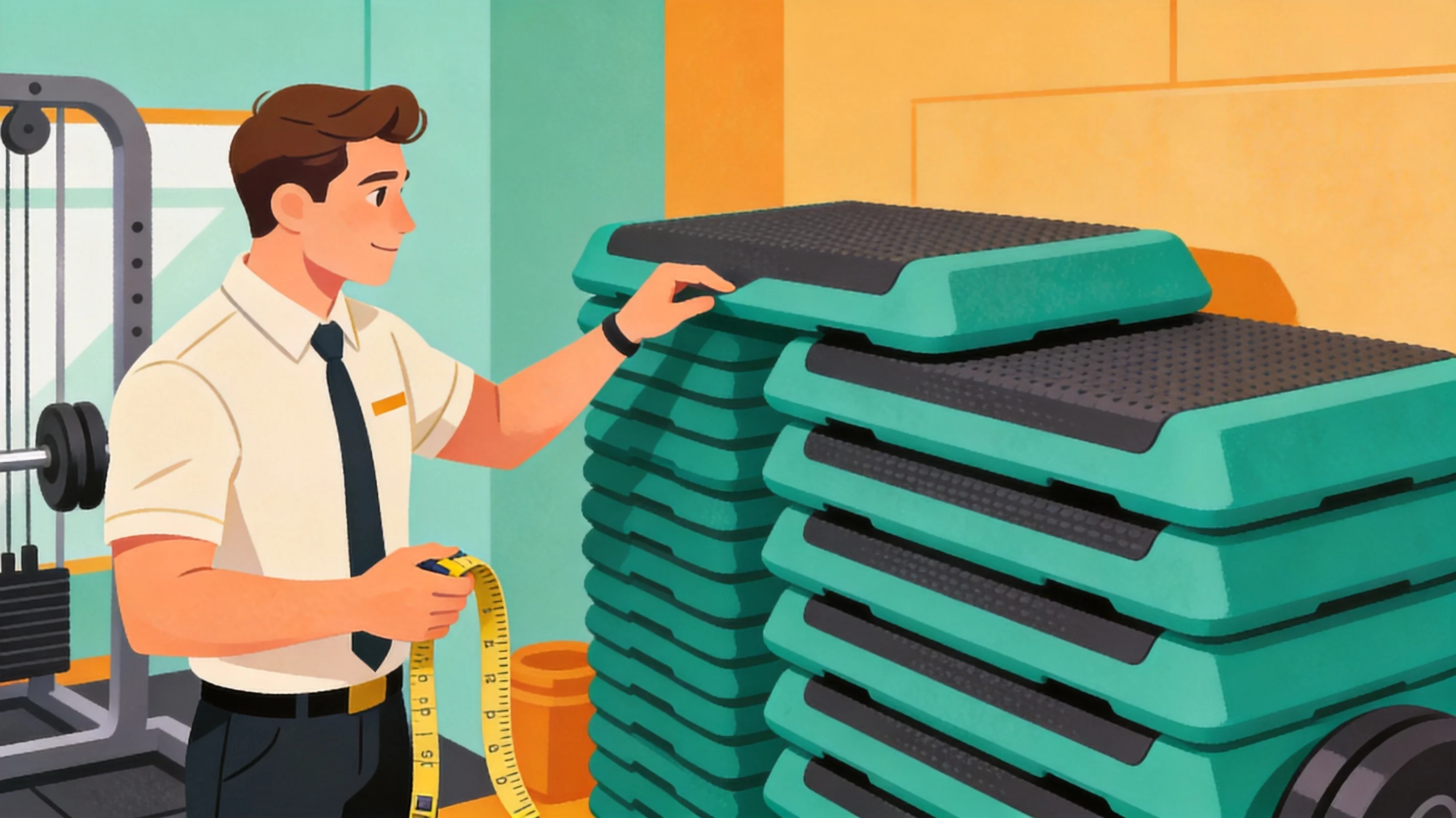
Coverage math is simple, and it is the step most first-time bulk buyers skip. You need the total square footage of the training floor, then you divide it by the square footage each mat covers.
A standard 6x4 foot mat covers 24 square feet. An extra-large 6x10 mat covers 60 square feet. For a 2,400 sq ft training area, that is 100 standard mats or 40 of the larger size.
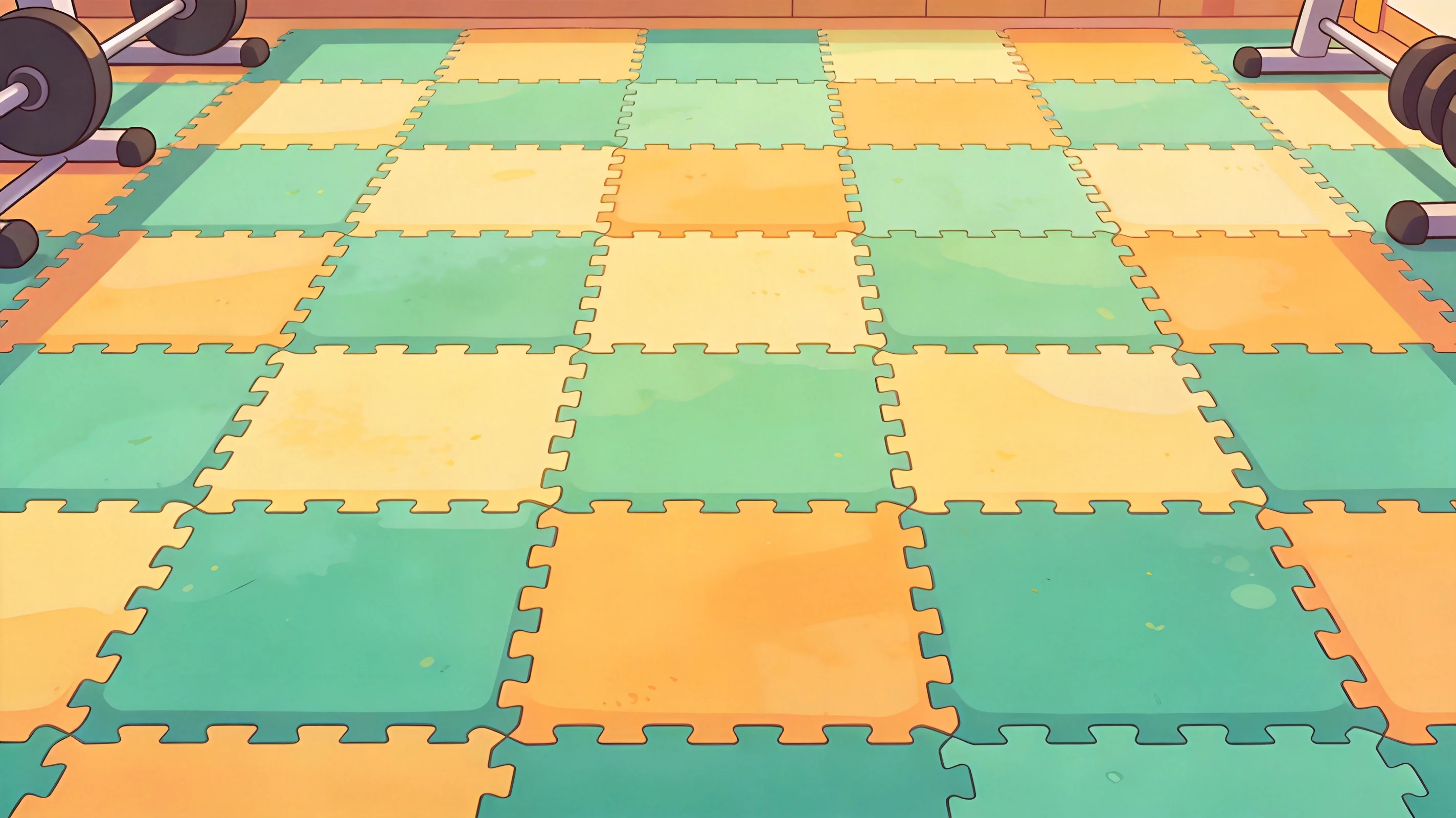
If you run mixed programming, plan in zones: a cushioned strength area, a larger mat area for stretching or mobility, and a dedicated space under equipment. Tiles that connect into any rectangular footprint are a flexible option for awkward spaces — each 2x2 tile covers 4 sq ft and links together.
Whatever you calculate, add a 5 to 10 percent buffer. One mat always gets carved up by a dropped dumbbell, and you cannot afford to wait weeks for a single replacement.
Bulk Pricing Tiers and Volume Discounts
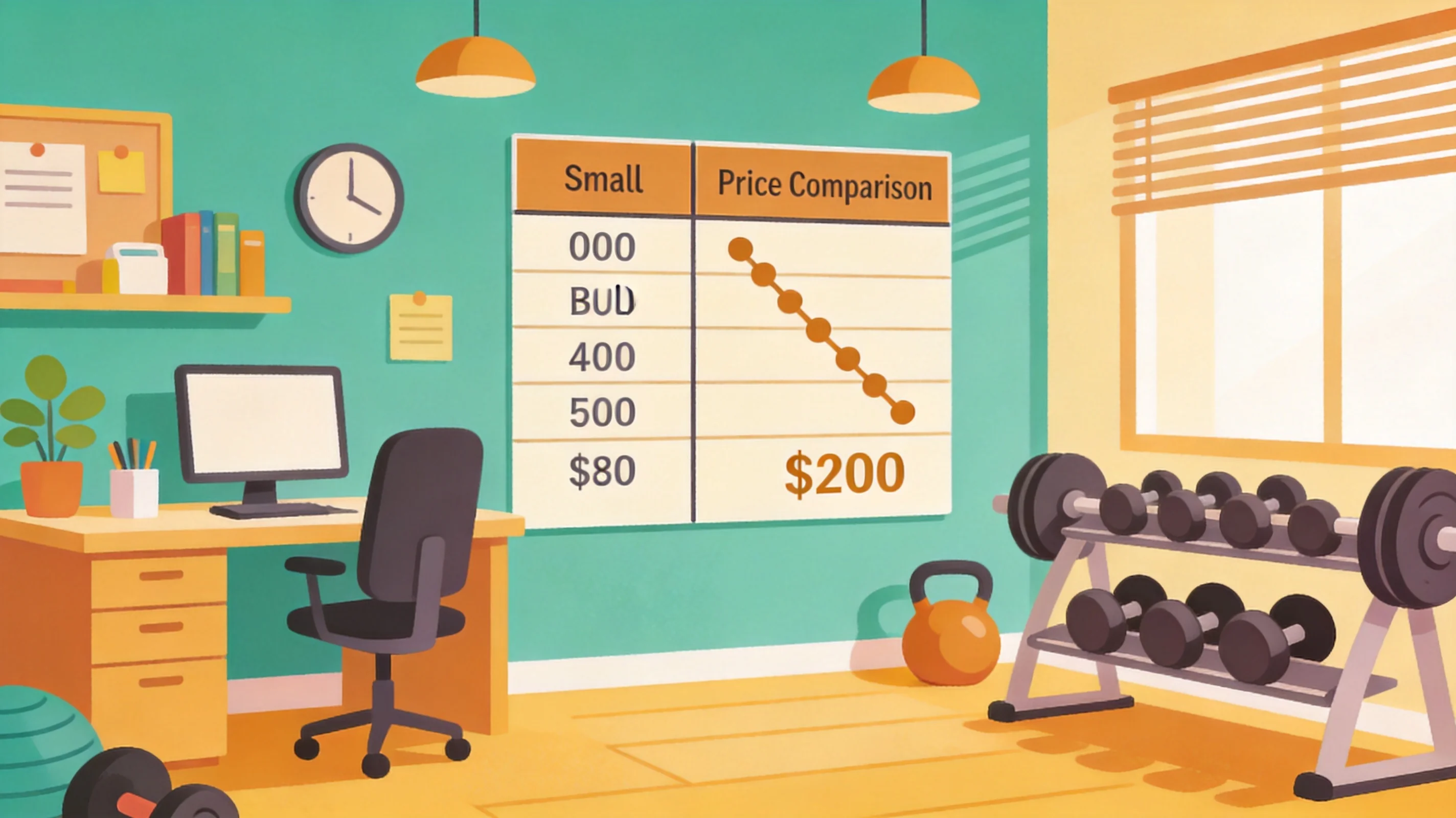
Here is where the real savings live. A typical bulk order ranges from about 20 to 100+ units, with wholesale prices commonly between $8 and $25 per mat depending on thickness and material. The per-unit price falls as volume climbs.
For continuous flooring, commercial rubber runs roughly $1.50 to $5 per square foot, with 3/8-inch thickness being the popular workhorse for daily commercial use. Denser, thicker options for heavy Olympic lifting sit at the higher end.
The thing to watch is that price is not the whole story. A cheap mat that delaminates in a year costs more than a sturdy one that lasts five. Compare per-square-foot installed cost, not sticker price.
What Changes at Wholesale Scale
At scale, a few practical things matter that rarely cross your mind at single-unit level:
- Freight — bulk mats are heavy and bulky; shipping can rival the product cost, so ask for landed pricing
- Lead time — commercial runs are made to order, often weeks out
- Packaging — a good wholesaler ships stacked and protected so you are not unboxing every corner
- Replacement policy — clarify how damaged units in transit are handled before you sign
If you run a studio or gym and want consistent quality across a large order, it is worth asking whether a supplier like AuraYogaMat offers OEM and private label production — that route lets you put your own branding on mats built to commercial spec, which often makes the math even better at true scale.
Bottom line
Buying mats in bulk is a space and pricing exercise more than a product hunt. Measure your floor, apply the per-square-foot numbers, add a buffer, and negotiate on landed cost. Do that and your first bulk order protects your floor — and your budget — for years.
If volume is on your side, this is the moment to compare suppliers on durability and support, not just rate.