
Key Takeaways
- A 6'x4' mat fits most solo yoga in tight spaces and is easy to store.
- A 6'x6' or 6'x8' adds room for taller practitioners and wider stances.
- 6'x10'+ mats turn into a full home-gym floor that handles equipment and movement.
- Match length to your height and width to your stance — bigger isn't always better.
Why size is the most overlooked spec
People obsess over thickness and material, then grab an off-the-shelf mat that's shorter than they are. Here's the reality: standard mats were designed for manufacturing convenience, not for your body.
A standard mat is about 24 inches wide. Most of us are wider than that when we plant our hands in a plank or spread our feet for a warrior pose. And if you're at all tall, length is the first thing that betrays you — your head and feet fight for space in savasana.
The size landscape at a glance
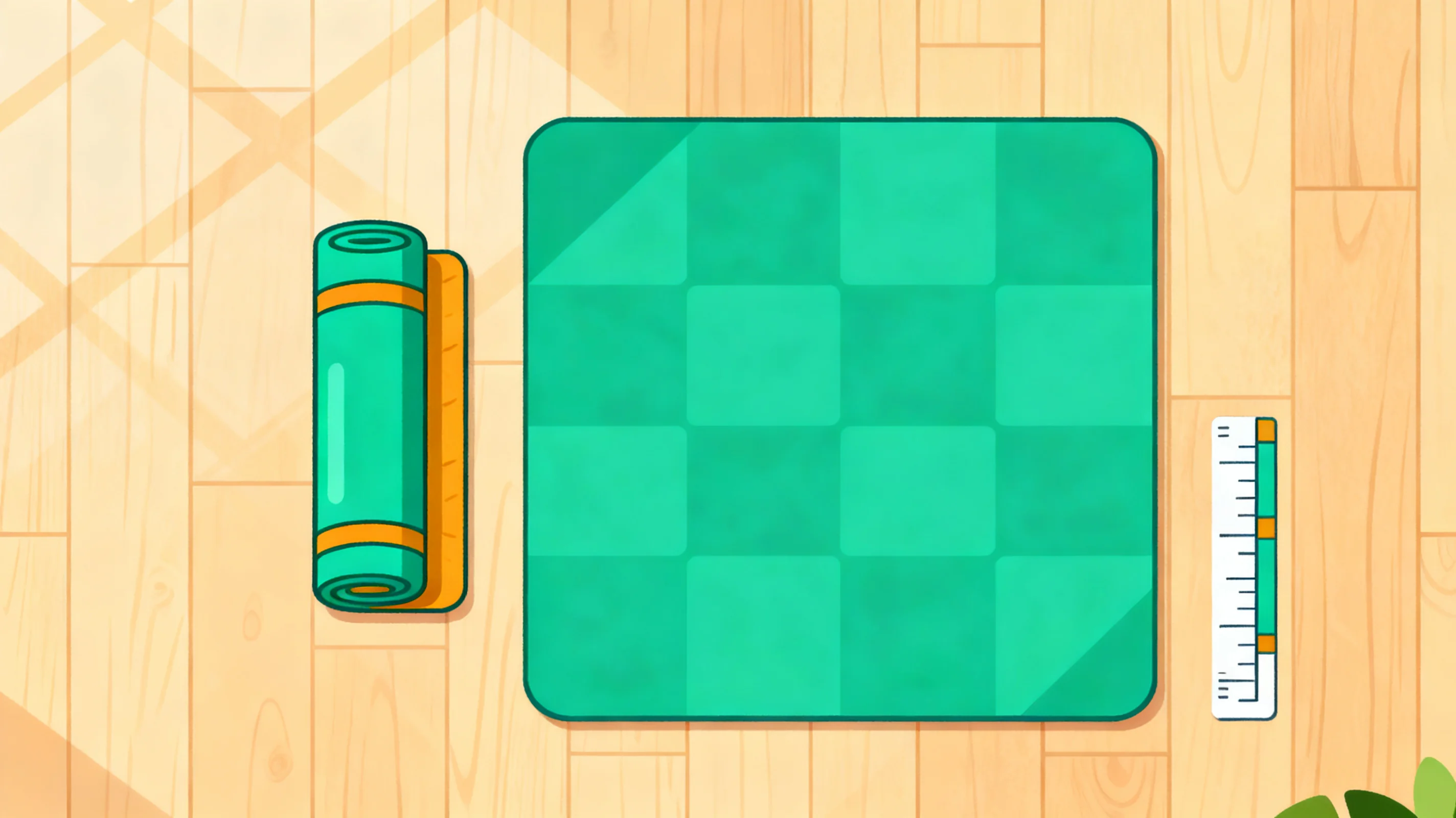
Here's how the common large-format mats stack up:
| Size | Dimensions | Fits | Great for |
|---|---|---|---|
| 6'x4' | 183 x 122 cm | Up to ~5'10" | Solo yoga, small rooms, easy storage |
| 6'x6' | 183 x 183 cm | Up to ~6'+" | Wider stances, extra elbow room |
| 6'x8' | 183 x 244 cm | Tall + spacious | Partner practice, prop space |
| 6'x10' | 183 x 305 cm | Full coverage | Home gyms, movement areas |
| 6'x12'+ | 183 x 366 cm | Max coverage | Equipment + group workouts |
Length is the number most people get wrong. A good rule from the sources I read: your mat should extend a few inches past your height so hands and feet never slide off.
Who needs a 6'x4' mat
If you practice solo, in a small space, or you don't want to store a huge roll, 6'x4' is the sensible default. It gives a standard-length body plenty of room for vinyasa, and it's compact enough to roll tight for storage or travel.
It also works great as a dedicated yoga surface layered over a bigger exercise mat when you want a firmer feel without re-covering your whole room.
Who needs a 6'x6' or 6'x8'
This is the sweet spot for taller practitioners. Once a mat reaches 6'x6' and beyond, you stop measuring your mat against your height and start enjoying the extra width.
If you're six feet or taller, or you tend to spread into wide stances like warrior II and downward dog, the extra width keeps your hands planted without your wrists straining at the edge. A 6'x8' adds even more length for full-body stretches and room for blocks, straps or a partner.
When to go extra large (6'x10'+)
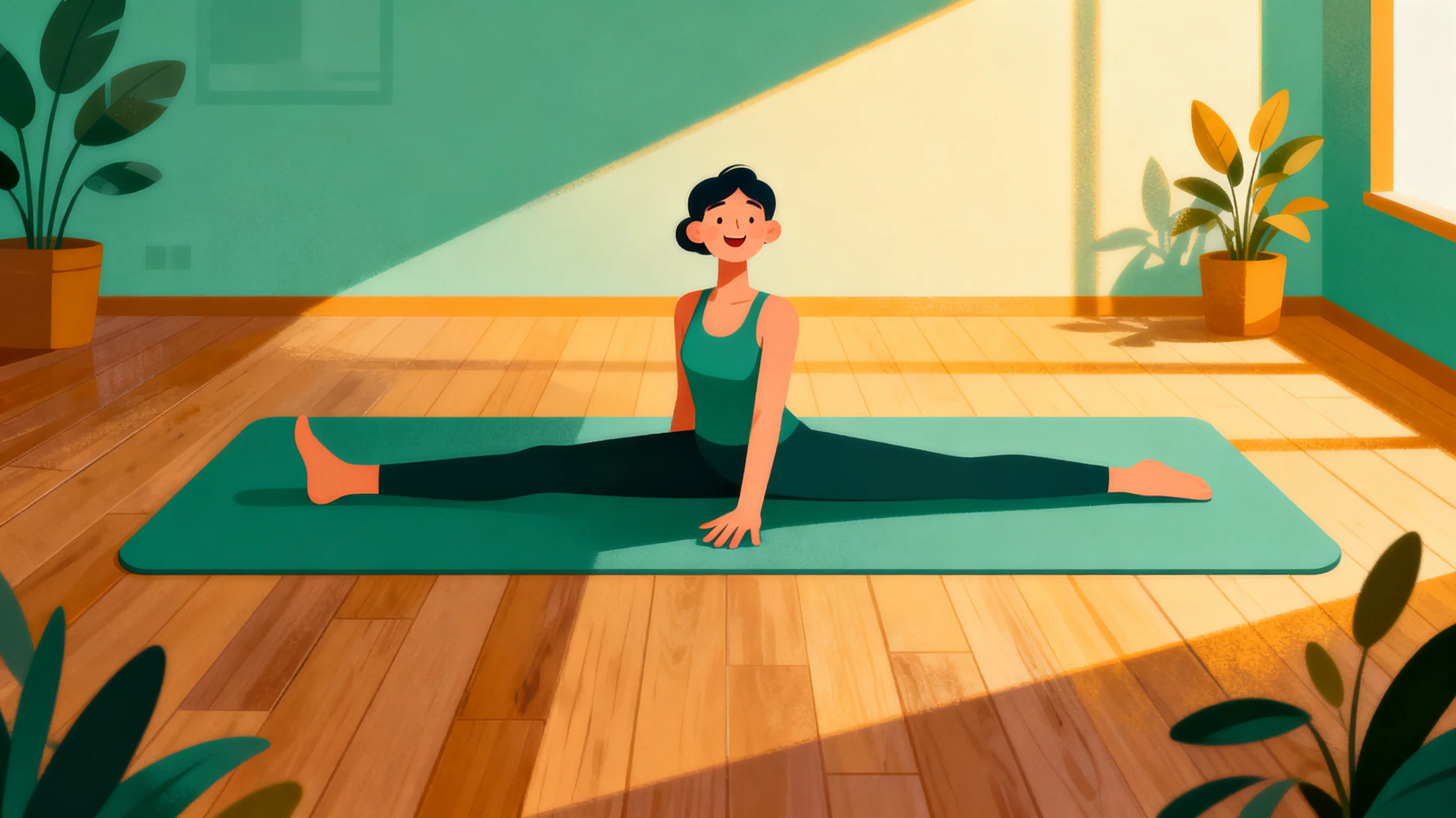
Here's where the mat stops being a mat and starts being a floor. Once you cross into 6'x10', 6'x12' or wider, you're covering a workout area rather than a single pose space.
That matters if you do strength work, HIIT, or train with equipment. A 6'x10' mat gives you a continuous surface under a squat station or a rowing zone, with no seam to catch your foot in the middle of a deadlift. It doubles as joint-friendly flooring for the whole room.
Choosing by height, space and activity
Ask yourself three things:
- Your height — if you're close to or over 6', lean toward 6'x6' or longer so your head and heels stay on the mat.
- Your space — a 6'x10'+ mat needs a room (or a garage) to live out; a 6'x4' rolls up and hides away.
- Your practice — balance-focused yoga likes a standard-ish width; equipment and movement need the extra-large coverage.
The honest rule: buy for your tallest measurement and your widest stance, not for the catalog photo.
The bottom line
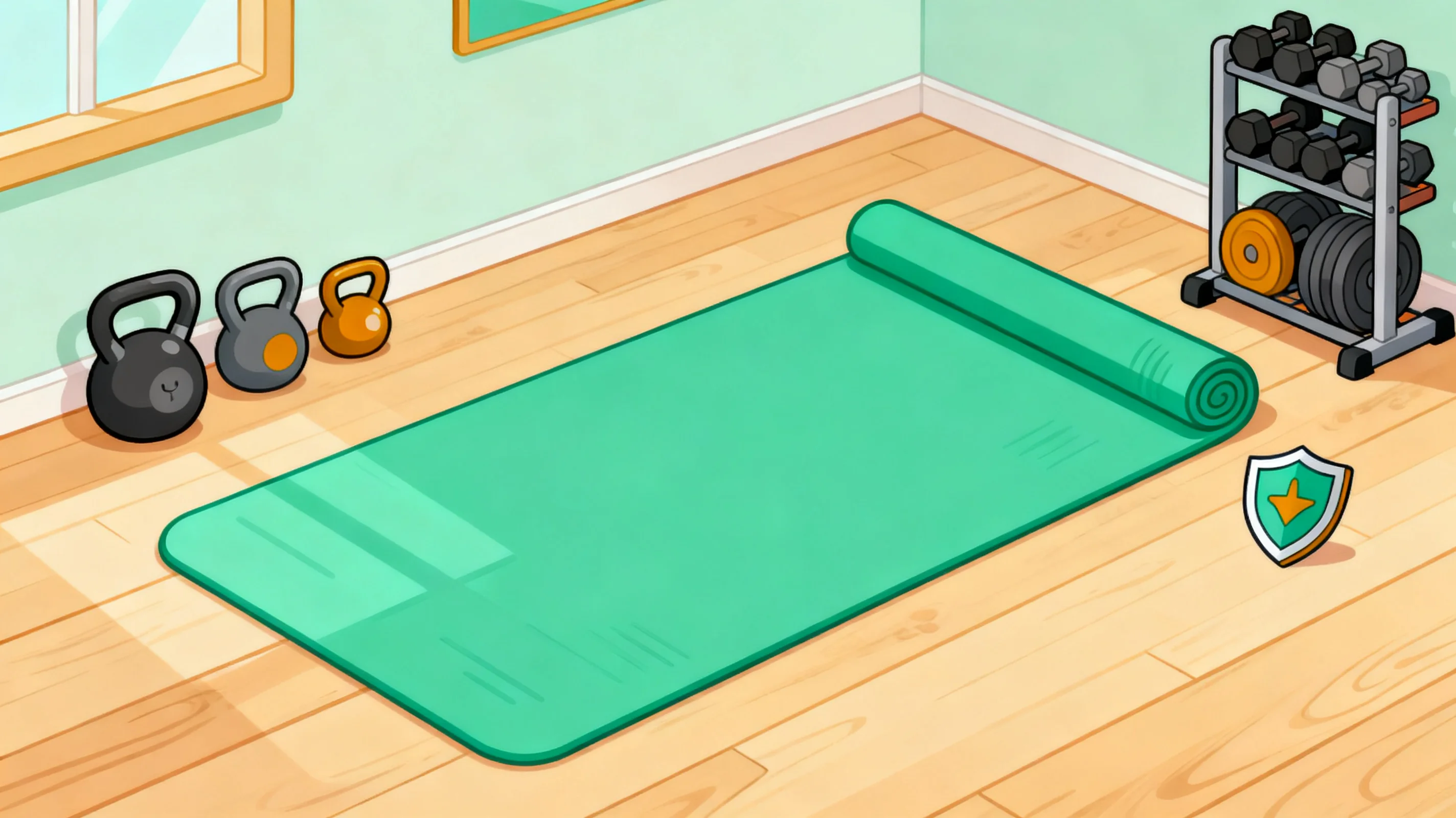
Pick the smallest size that comfortably fits your body and your space. For most solo yogis that's a 6'x6' or a 6'x8' with room to spare. If you run a home gym with equipment, an extra-large 6'x10'+ mat is the honest upgrade.
In AuraYogaMat's collection, the 6'x4', 6'x6' and 6'x8' large yoga mats cover standard practice, while extra-large 6'x10' and 6'x12' mats handle the bigger home-gym setups.