
Key Takeaways
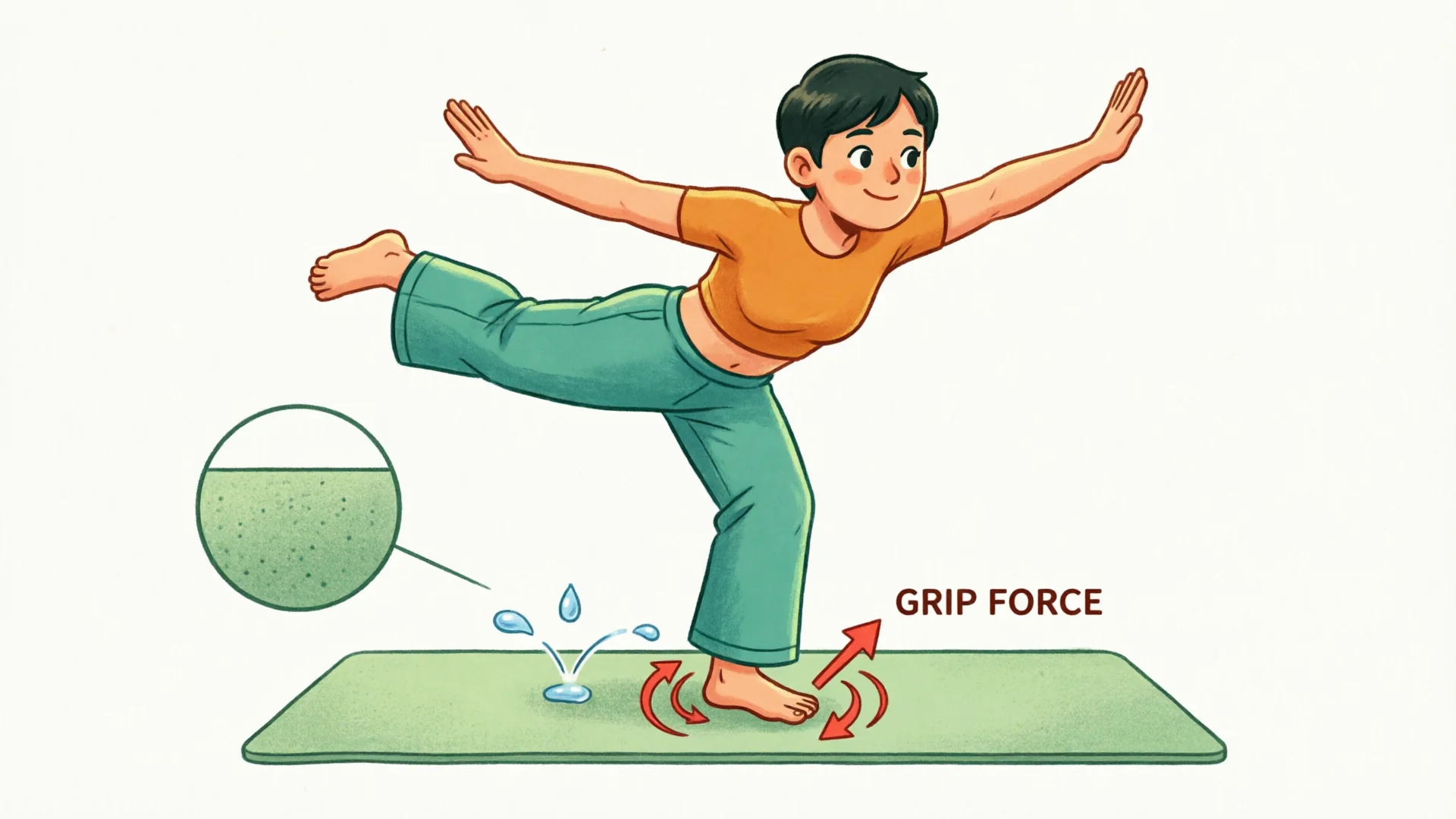
- Grip is friction physics: two contact points matter — mat-to-floor underneath and skin-to-mat on top.
- Wet changes everything: water acts as a lubricant on smooth surfaces but activates natural rubber and PU tops.
- Material ranking for wet grip: natural rubber and PU lead; textured TPE holds respectably; smooth PVC fails exactly when you need it most.
- Texture and cell structure decide how a surface handles moisture — open cell absorbs (and needs drying), closed cell sheds it.
- Match grip to style: dynamic flow wants dry-to-wet reliability; yin wants comfort more than stickiness.
Grip is physics, not luck
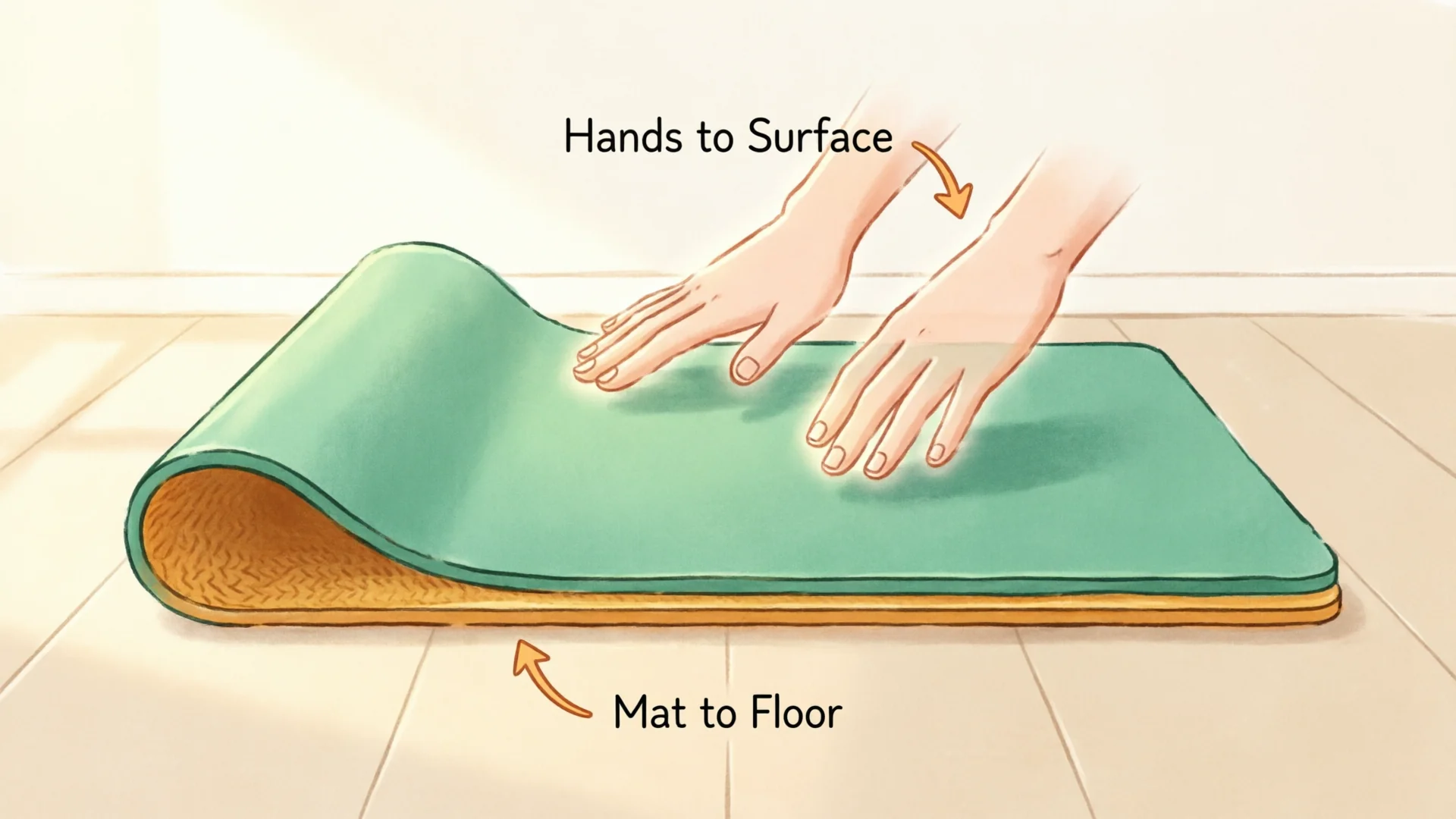
When hands slip in down dog, the failure is mechanical: the friction force between palm and surface dropped below the lateral force of your pose. Two interfaces control that:
- Mat-to-floor — governed by the underside material and the floor itself.
- Skin-to-mat — governed by top material, texture, and the wildcard: moisture.
A great mat manages both interfaces; most cheap mats manage neither consistently.
The friction basics: dry vs wet
Friction between two dry surfaces is fairly predictable. Add water and the rules change by material:
- On smooth hydrophobic surfaces (classic PVC), water forms a lubricating film — friction collapses precisely when sweat appears.
- On hydrophilic, high-friction materials (natural rubber, polyurethane), moisture actually increases tack — think wet glass or wet rubber grips better than dry in the right conditions.
This single distinction explains nearly every why-do-I-slip complaint: it's rarely the amount of sweat, it's the chemistry of the surface meeting it.
Material grip profiles
| Material | Dry grip | Wet grip | Character |
|---|---|---|---|
| Natural rubber | Excellent | Excellent | Tacky by nature; the benchmark |
| PU top layer | Excellent | Excellent | Grips harder as hands dampen; delicate coating |
| Textured TPE | Good | Moderate | Holds reasonably; softens when soaked |
| Smooth PVC | Fair | Poor | The classic ski slope once wet |
HTS Yoga's material comparison ranks these identically — rubber and PU dominate the grip conversation, which is why premium mats build around them. Cork deserves an honorable mention: naturally grippy, improves slightly when damp, usually bonded over rubber.
Texture and cell structure
Beyond chemistry, geometry matters:
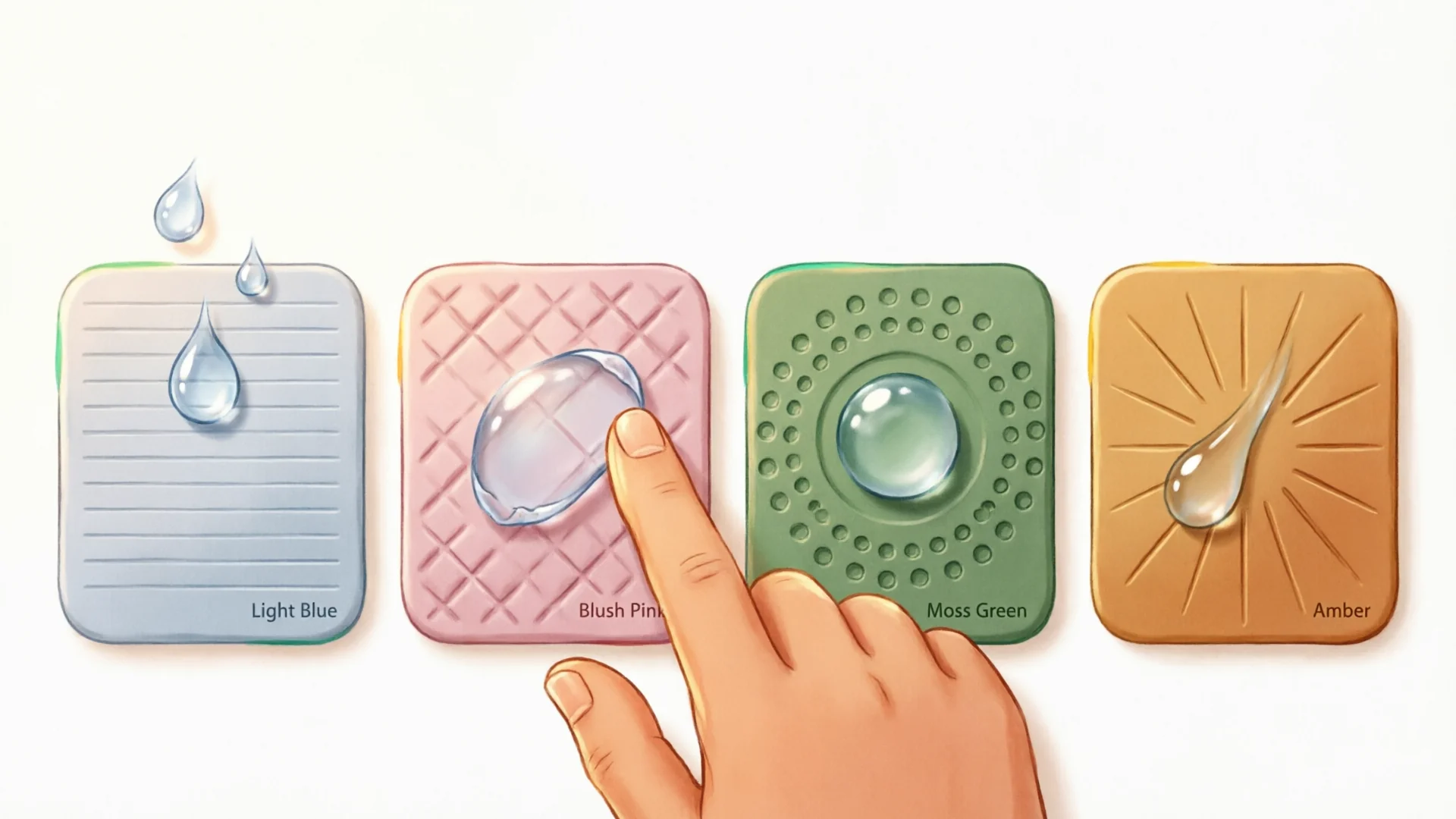
- Textured surfaces increase real contact area and channel moisture away from load points — embossed lines, stipple patterns.
- Open-cell construction absorbs sweat into the mat (great grip, but it must dry thoroughly — hygiene lives there too).
- Closed-cell construction sheds moisture to the surface where a towel handles it (easy cleaning, relies on surface texture for wet grip).
Hugger Mugger's closed-cell guide frames the trade-off cleanly: convenience versus absorbency — neither is wrong, they're different systems.
Matching grip to your style
- Vinyasa / power flow / hot yoga: prioritize wet-reliable grip above all — natural rubber base, ideally PU top or textured rubber. Your hands dampen mid-class; the mat must improve, not collapse.
- Yin / restorative: comfort outranks stickiness — holds are long and static, so density and cushioning lead the decision.
- General mixed home practice: dense large formats with textured dual-sided surfaces split the difference well; something like the GXMMAT Large Yoga Mat 6'x8' keeps flowing sequences anchored across its whole footprint while staying easy to wipe down.
- Mat-plus-towel system: for heavy sweaters, pairing any quality mat with a grippy towel recreates PU-top performance at lower cost — this is standard hot-studio practice.
If your current mat slides specifically as sessions heat up, that's the PVC-wet signature — no amount of technique fixes chemistry. A dense upgrade like the GXMMAT Extra Large Exercise Mat 6'x12' pairs its textured non-slip surfaces with enough mass to stay planted through transitions on either side of the sweat line.
Bottom line
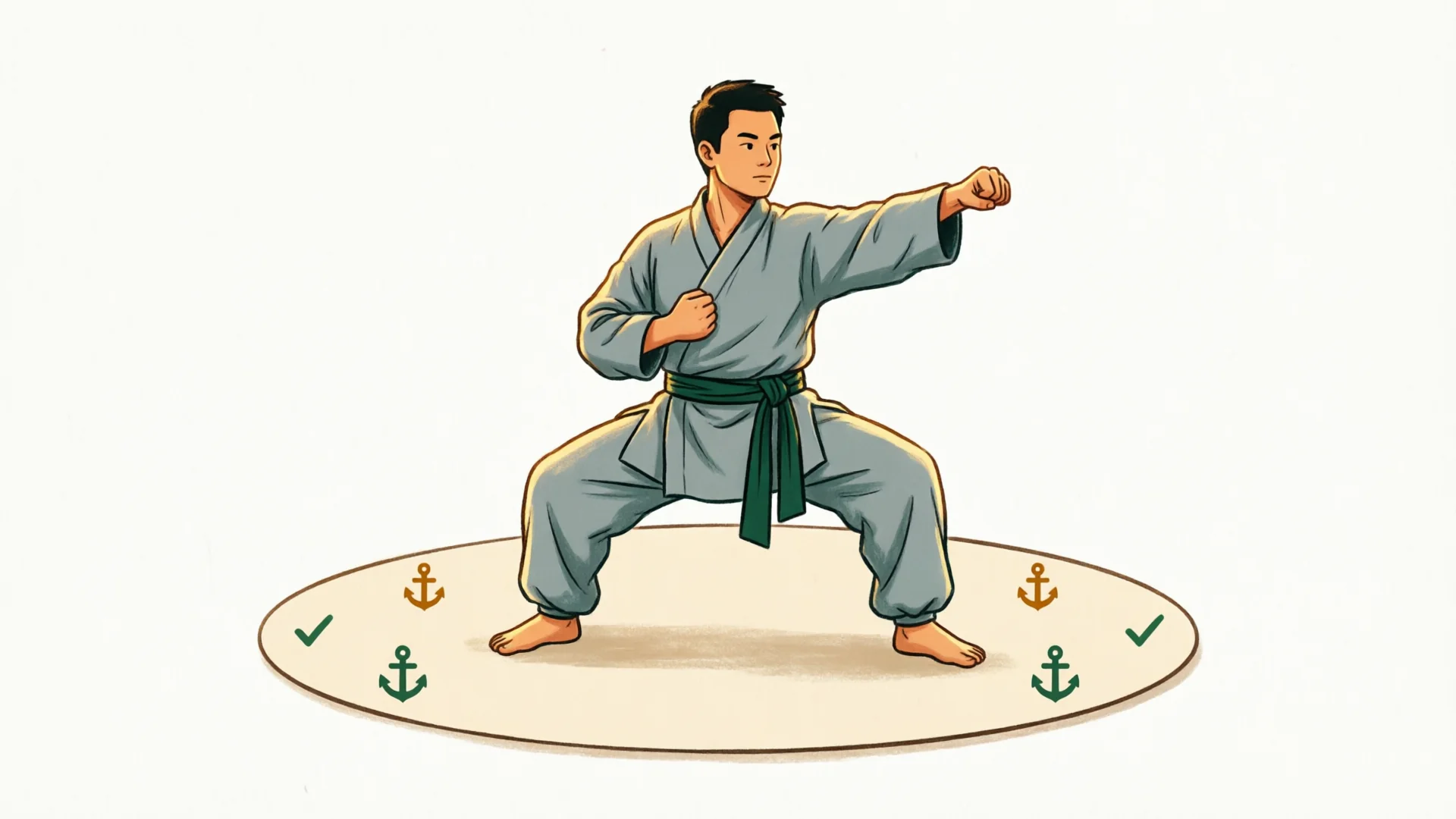
Grip failures are predictable physics: smooth hydrophobic surfaces lubricate when wet, while rubber and PU get tackier. Choose natural rubber or PU-top builds if your practice sweats, favor texture and closed-cell ease if hygiene drives you, and pair any system with a towel for hot work. Match the material's wet-dry personality to your style, and slipping becomes a solved problem rather than a recurring surprise.