
Key Takeaways
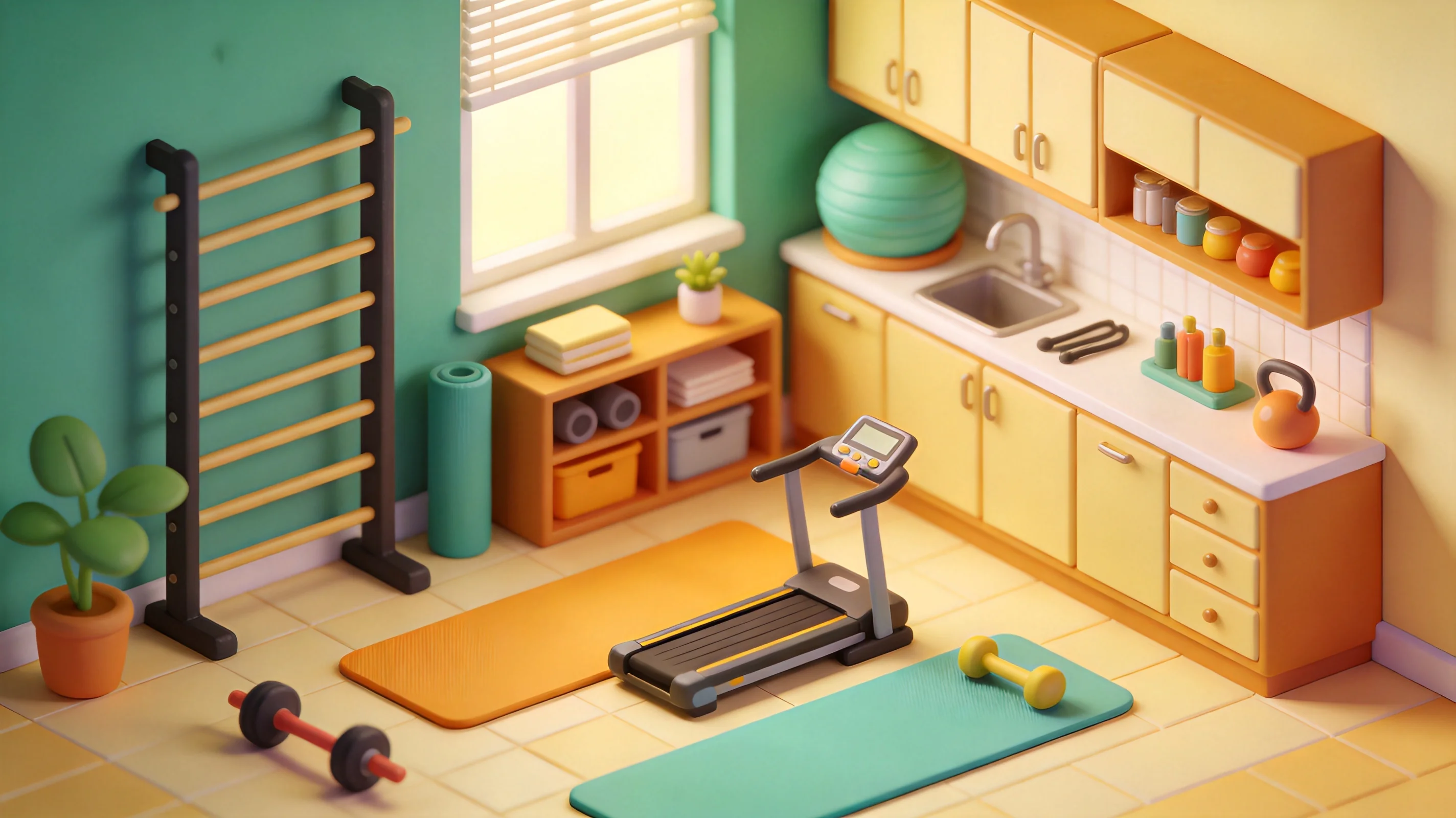
- An office gym is about clever use of space, not square footage. A corner becomes a training zone with the right kit.
- The core kit is mat-based and room-efficient — yoga mats, balance balls, free weights and foam rollers all pack neatly.
- Choose cushioned, nonslip mats so floor work is comfortable and safe on hard office floors.
- Plan for storage first so the space can return to a normal meeting or break area in minutes.
- Build a routine around the kit to turn equipment into a habit employees actually keep.
A Break-Room Gym Is about Space, Not Size
A small office gym is not a budget version of a commercial facility. It is a different invention entirely: a compact, space-efficient setup designed to fit into a break room, a spare corner, or an underused meeting space.
What makes it work is the mat. A thick, stable exercise mat defines the workout zone, protects the floor, and cushions joints during floor work — all in a space that folds away. You can build around it with just a few space-efficient additions: balance balls, free weights, resistance bands and foam rollers. None of those demand floor space of their own.
Because it is small, an office gym is easy to fund, easy to maintain and easy to use. It captures the movement breaks that a bigger facility would not.
The Core Kit: What Every Office Needs
Keep the kit focused so it stays inviting and manageable:
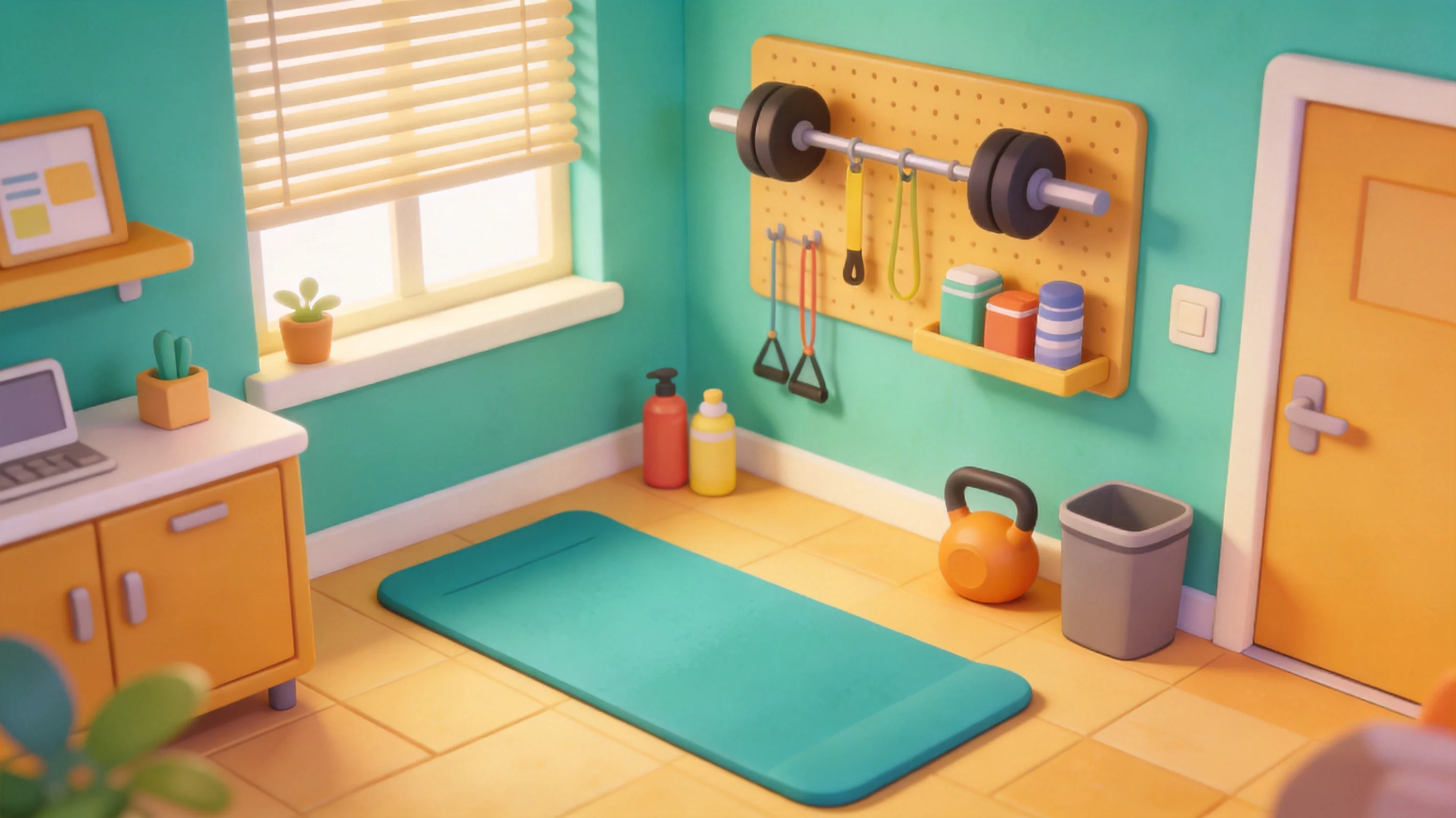
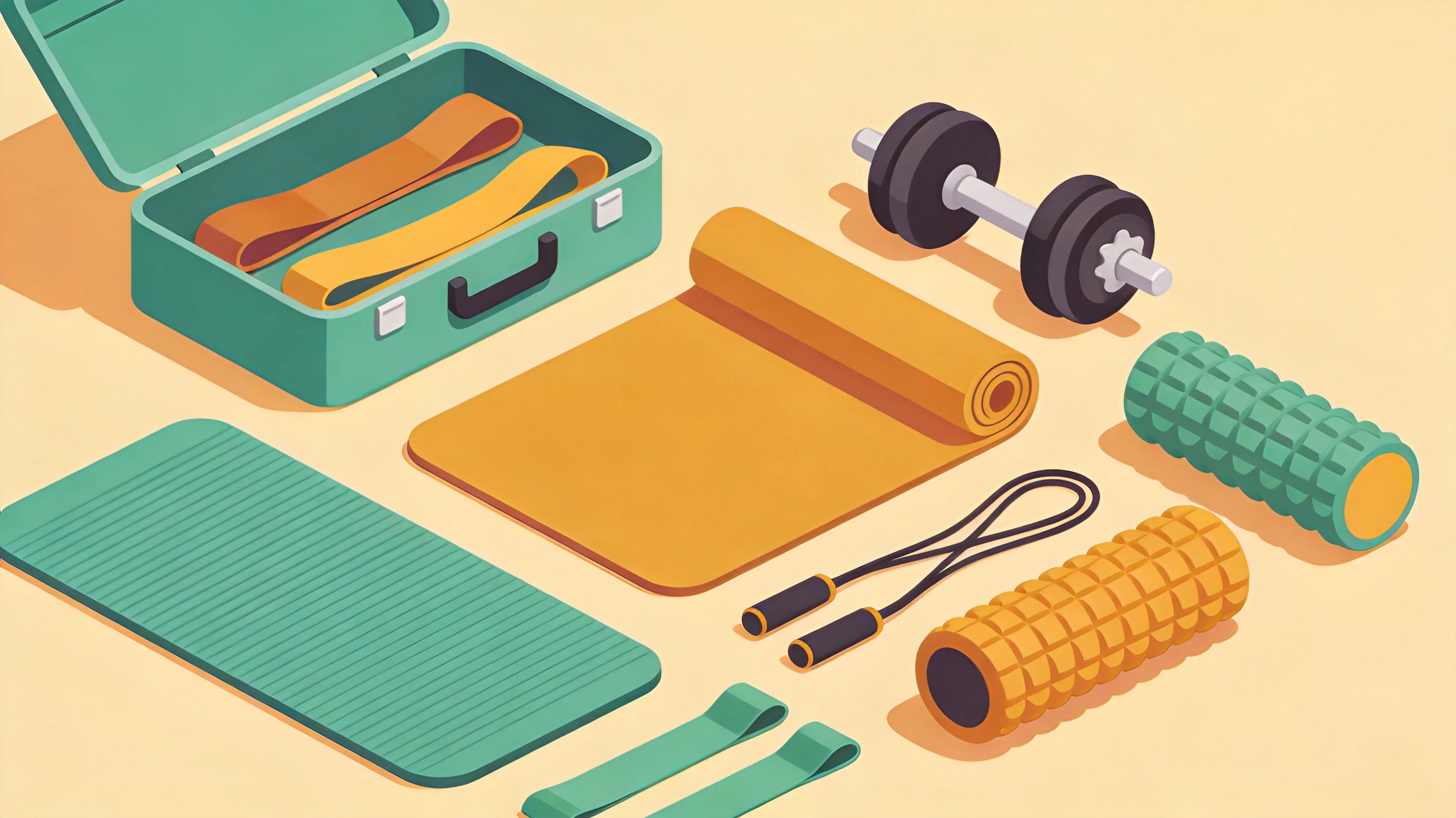
- Two to four cushioned exercise mats — a stable 8-10mm mat protects joints and stays comfortable on hard floors; a larger format works for floor stretching
- A couple of yoga mats — lighter and handy for mobility flows or brief guided sessions
- Balance balls — one or two for core work and gentle instability training
- A set of free weights — a few dumbbells of varying weights cover most quick routines
- Resistance bands — space-thin and versatile, perfect for deskside strength
- Two or three foam rollers — a favorite for post-sitting recovery
That is the whole kit. Every item packs into a corner, and none of it requires electrical power, assembly or a dedicated floor footprint.
Layout and Storage That Keeps It Usable
A kit only works if it is quick to deploy and quick to put away. The moment setup feels like a chore, employees stop using it.
Design for five minutes each way:
- Keep the mats in a corner or on a low rack where they are visible and easy to grab
- Use a labeled shelf or bin for weights, bands and rollers so nothing gets lost
- Roll mats rather than stacking heavy sets so one person can set up alone
- Leave the zone clear when not in use so the room still works as a break or meeting space
- Put a small mirror or guide by the wall to make the space feel intentional and safe
Simplicity is the feature. If the area looks good and takes seconds to transform, it will get used every week.

Beyond the Kit: Building a Routine
Equipment changes nothing by itself; the routine does the work. Use the kit to anchor simple, repeatable habits:
- Offer a 10-minute mid-morning stretch to break up sitting blocks
- Run a short guided core or mobility session once or twice a week
- Encourage a two-minute movement break each hour using bands or the mat
- Let employees borrow a mat or roller to their desk for desk stretches
- Rotate a different person to lead each week for ownership and variety
Keep it low-pressure and flexible. An office gym is at its best when it is easy, social and optional — a place people drop into, not a class they dread.
Bottom line
Building a small office gym does not require much — a handful of mats, a few space-efficient tools, and a clear plan for storage and routine. Put the kit in a visible, easy-to-reach spot, keep it simple, and let the mats do the work of turning a corner into a place people move.
When the office finds a mat it loves, scaling it into a branded office wellness kit for every site or welcome package gives every break room the same consistent, quality setup.