
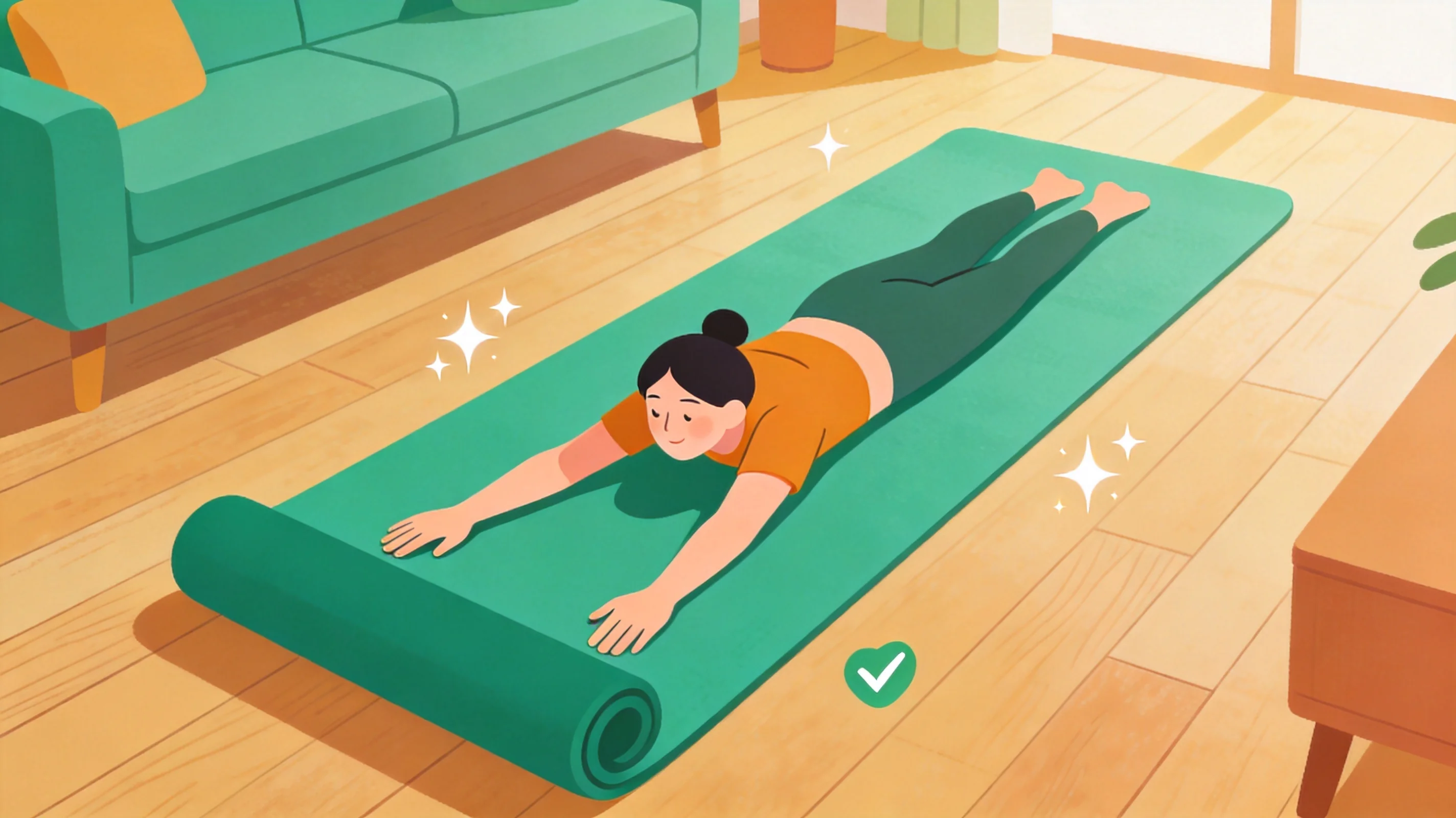
Key Takeaways
- A standard 68" mat is still short for tall yogis and tight for wide-stance poses.
- An oversized mat gives more length and more width — your hands and feet stay on the mat through transitions.
- The payoff is freedom of movement: no constant tiny adjustments to stay inside a rectangle.
- It's worth the upgrade for tall practitioners, wide stances, dynamic flows and home practice.
- For travel-only or tiny spaces, a standard mat is still the practical pick.
The problem with a standard mat
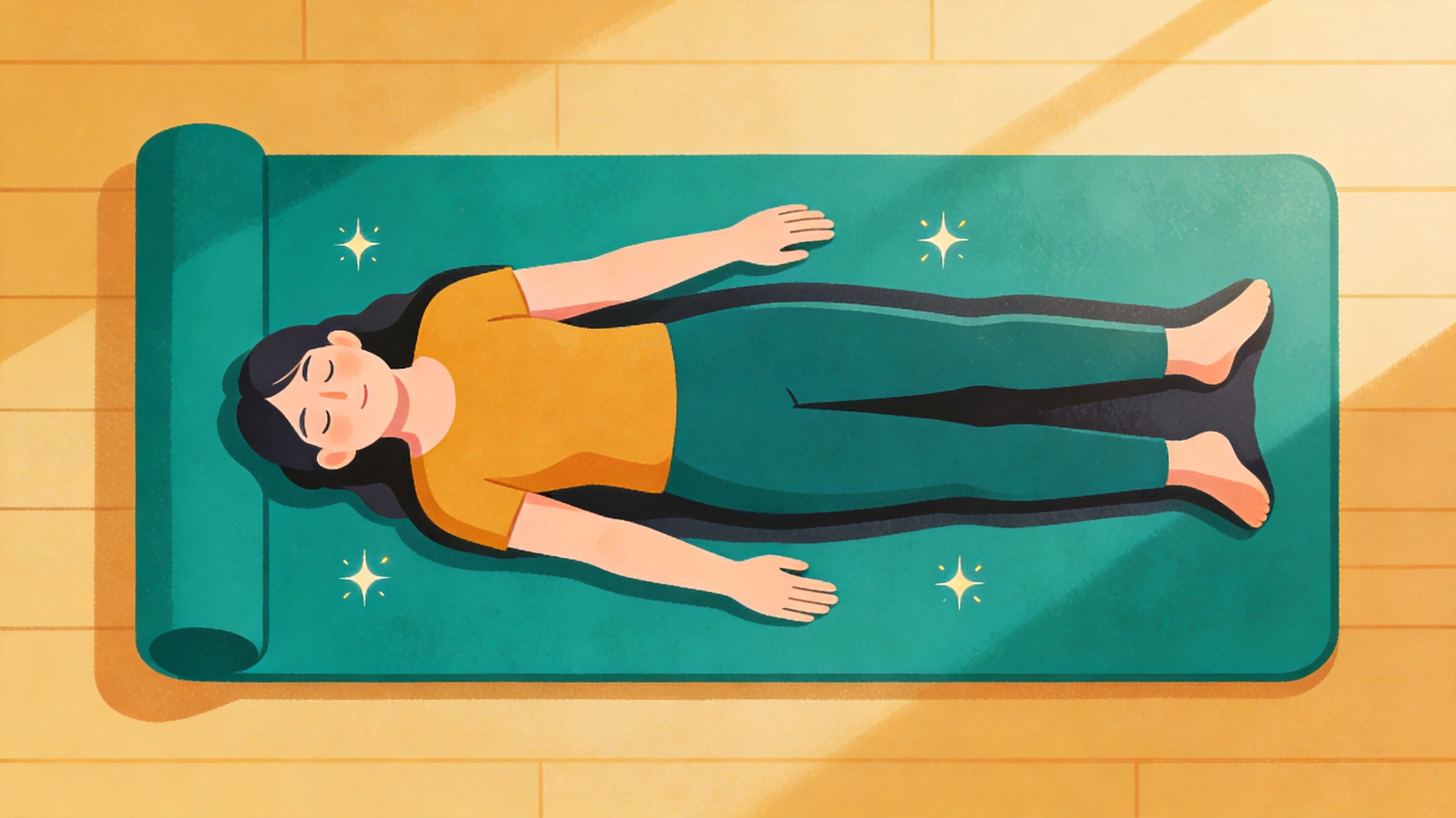
A standard 68-inch mat was designed for average-height practice. If you're over about 5'10", you've felt it: in downward dog, plank, lunges or savasana, your hands or feet come off the edge. You spend the whole session readjusting.
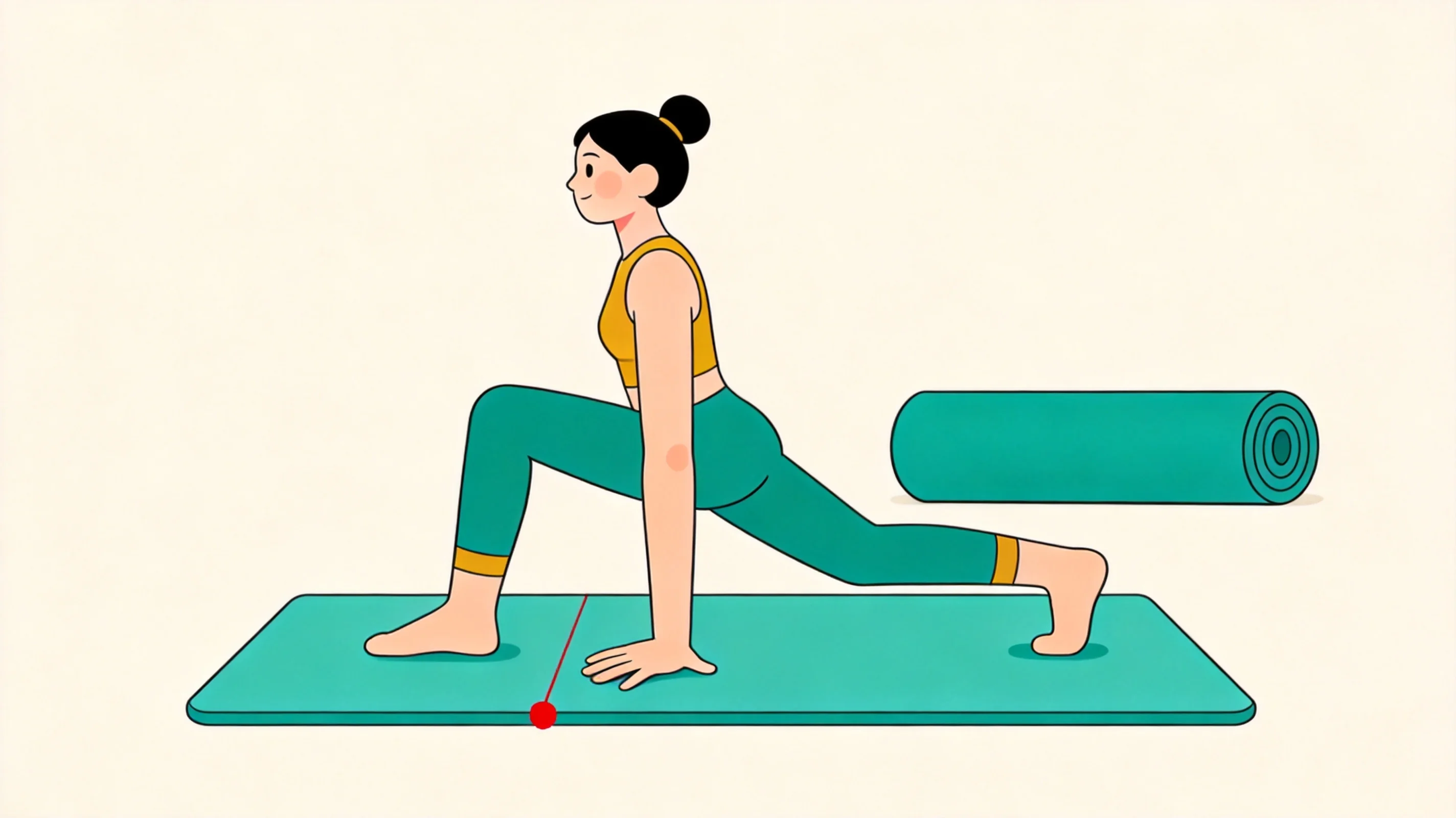
Width is a quieter problem. Many standard mats are 24 inches wide. Wide-stance poses like a yogic squat or wide-legged forward fold put your feet near the boundary, and your hands at the edges.
What an oversized mat gives you
An oversized mat solves both problems at once by adding length and width:
- Full head-to-toe coverage. Your hands and feet stay on the mat through every transition.
- More room for wide stances. Your feet stop grazing the edge.
- A true home practice space. With more surface, blocks, straps and props all fit beside you.
- Comfort for partner, kids or pet yoga. Extra space means the mat does the work of a whole area.
The constant micro-adjusting disappears. You just move.
Size options for different users
Oversized mats come in a range. Match yours to how you practice:
- ~72" long — a step up from standard; suits most people who want a little more length.
- ~80-84" long — tall yogis and anyone over about 6' get full coverage.
- ~26-30" wide and up — adds lateral room for wide stances; great for home practice.
- Large and extra-large (6'x4' and beyond) — a full workout/gym floor in mat form; ideal for home fitness rather than crowded studios.
If a standard mat feels too short, add length first. Add width only if your stance needs it.
Who should upgrade
An oversized mat is worth it if you:
- Are 6' or taller and your head or feet end off the mat.
- Practice dynamic flows with lots of transitions.
- Have broad shoulders or a wide stance and want room to spread.
- Practice at home where a bigger mat is easy to store.
- Want space for partner, kids, pets or props on the mat.
Who can skip it
You can stick with a standard mat if your space is tiny, you only practice travel or occasional studio work, or an oversized roll won't fit your storage.
Bottom line
An oversized yoga mat doesn't just give you more fabric — it gives you freedom of movement. Tall yogis, wide-stance practitioners and home trainers notice it immediately: hands and feet stay on the mat, transitions feel fluid, and practice feels calmer. If a standard mat ever felt cramped, an oversized one is worth trying.
More space. More support. A practice that finally fits.