
Why Breathwork Deserves More Than the Last Two Minutes
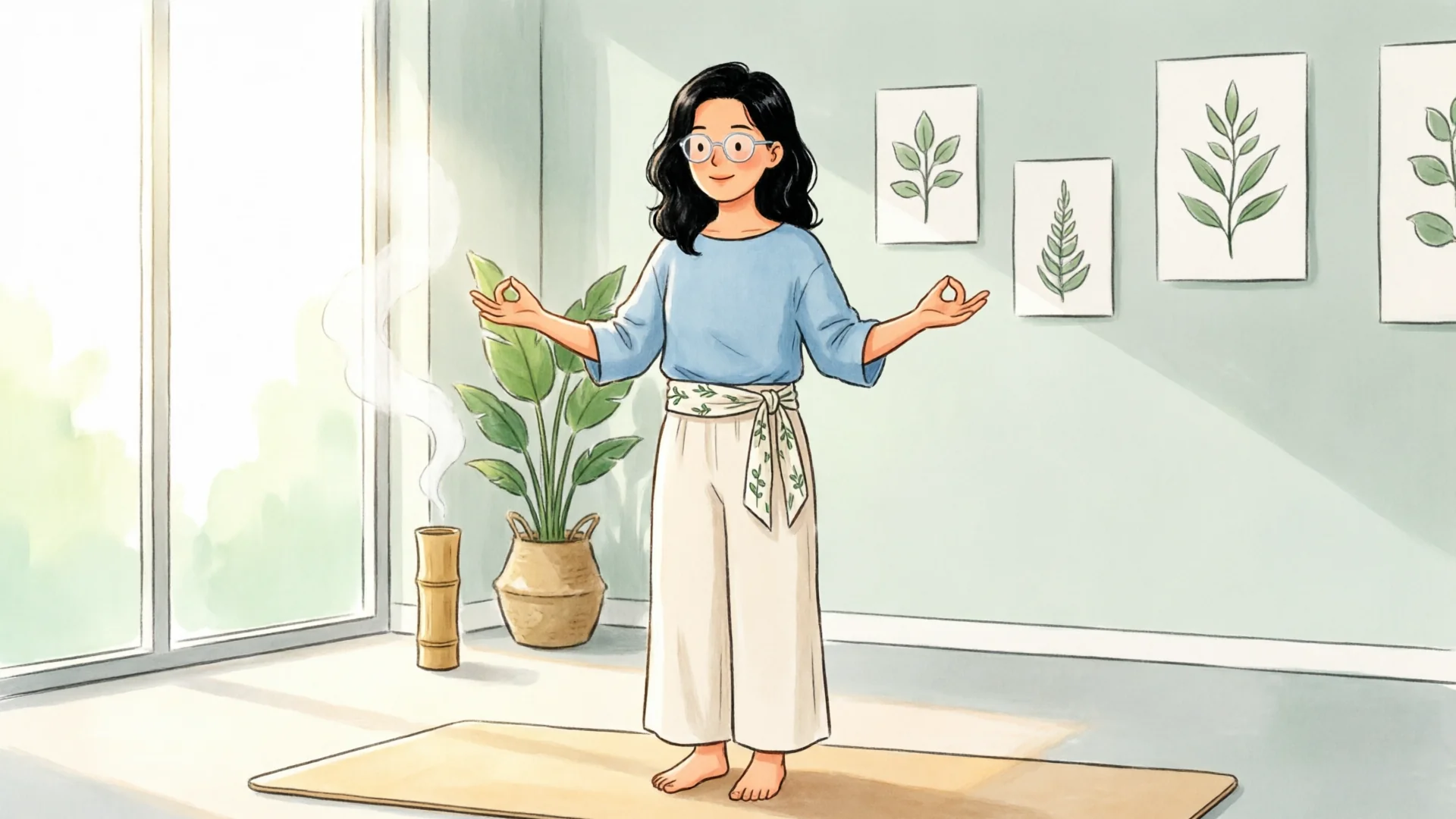
Most yoga teachers include some form of breathwork, but it often gets squeezed into the final moments before Savasana. The ancient yoga traditions suggest the opposite. Pranayama traditionally follows asana because the practice moves from the gross to the subtle: the physical body warms up and opens, creating the conditions for deeper breath work to land. When breathwork is sequenced deliberately, it becomes the bridge between movement and stillness, not an afterthought.
Three Placement Points That Actually Work
There is no single correct placement for pranayama in a class, but there are three proven positions that serve distinct purposes.
At the opening, seated breath awareness sets the tone and creates a shared energy in the room. During dynamic movement, breath-linked transitions — such as linking Ujjayi to a half Sun Salutation — train the mind to stay present. Pre-Savasana, extended exhale breathing (such as a 6:2:8:2 ratio) downregulates the nervous system and prepares the body for deep rest.
The opening placement is the easiest starting point for newer teachers. Choose a technique, introduce it clearly, and let students continue while you deliver the class intention.
Selecting the Right Technique for Your Class
Techniques can be categorized by their nervous system effect:
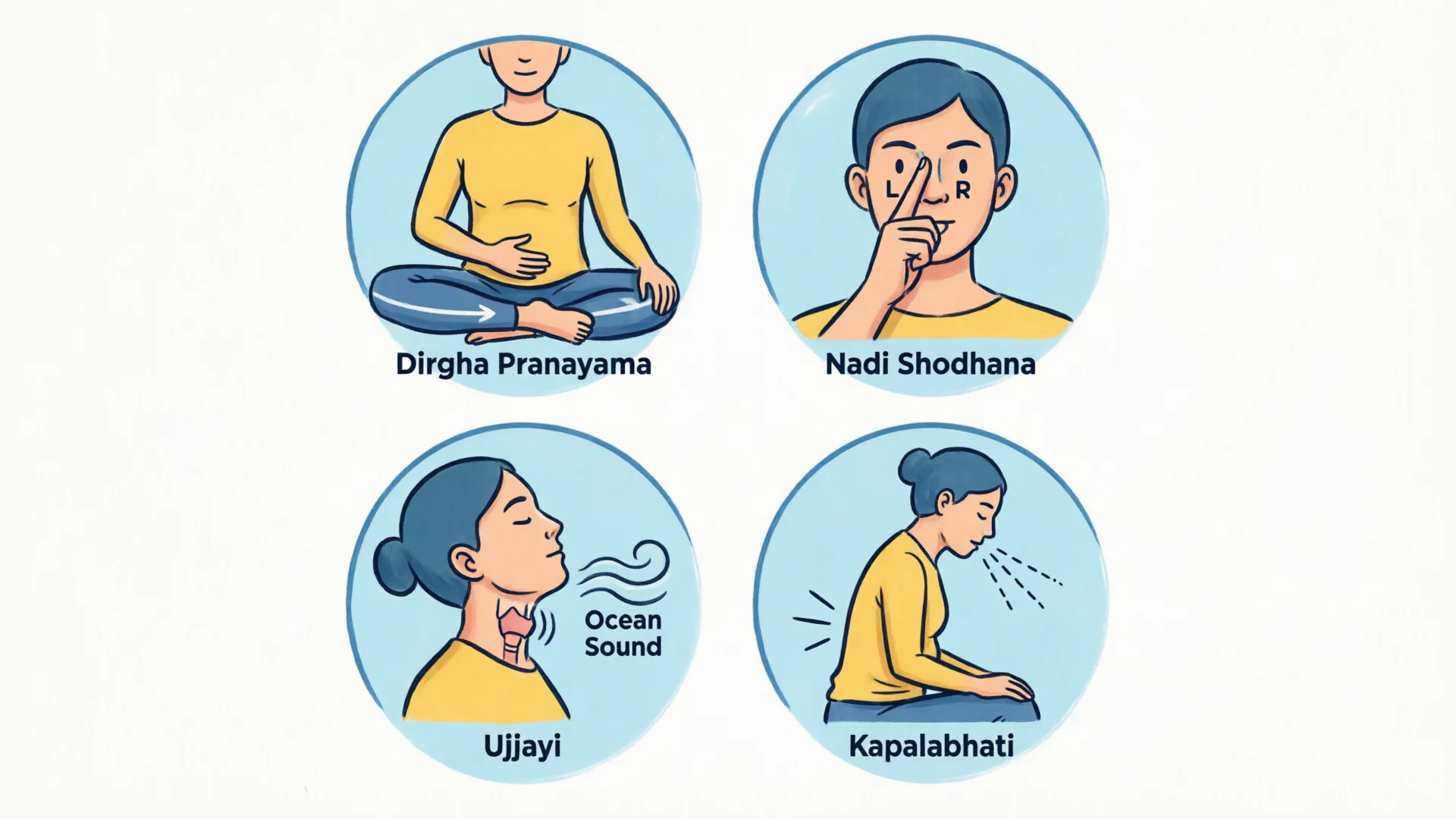
- Up-regulating (energizing) — Kapalabhati, Bhastrika. Best placed early in an energizing class, never right before Savasana.
- Balancing — Nadi Shodhana, Box Breathing. Bring students into center and work well at any transition point.
- Down-regulating (calming) — Bhramari, extended exhale breathing. Calm the system and belong near the end of class.
When in doubt, choose a balancing or calming technique. Most students arrive already stressed; adding stimulating breathwork can push them past their window of tolerance. Always mention contraindications before any up-regulating technique, especially for students with anxiety, high blood pressure, or pregnancy.
Cueing Breathwork Without Overwhelming Students
The biggest mistake teachers make is overcomplicating their cues. Pranayama instruction should be simple, specific, and paced.
- Introduce one technique at a time
- Use counting to guide rhythm — inhale to 4, exhale to 4 — and let students take over after six rounds
- Demonstrate the hand position (such as Vishnu Mudra for Nadi Shodhana) before students close their eyes
- For visualization-based alternatives, cue students to imagine breath flowing through each nostril without physical manipulation — gentler for beginners and creates a meditative quality
The goal is accessibility, not complexity. A student who leaves class understanding one breathing technique has gained a lifelong tool. A student who was overwhelmed by five techniques has gained nothing.
Safety and Contraindications
Every breathwork instruction should include what to expect and when to modify:
- Up-regulating techniques can trigger anxiety or panic in susceptible students
- Breath retention (Kumbhaka) should be introduced gradually and never forced
- Pregnant students, those with respiratory conditions, and anyone with uncontrolled blood pressure should avoid Kapalabhati and Bhastrika
- For Savasana transitions, always offer the option to breathe naturally rather than following a specific pattern
A large, supportive surface — such as the GXMMAT 6x4 ft Large Yoga Mat — gives students the physical comfort to fully surrender during breathwork and Savasana, removing the distraction of a thin or slippery surface when they need stillness most.
Building Your Breathwork Toolkit
Start with one technique and one placement point. Master the cueing, learn the common student responses, and refine from there.
Over time, build a personal library of go-to sequences for different class themes. The best breathwork integration feels invisible — students experience a deeper class without feeling lectured about breathing. That seamlessness comes from preparation, not improvisation.