

Key Takeaways
- Budget by headcount, not by feel: a twelve-student class needs twelve-plus mats once you add spares for wear and guests.
- Bulk economy packs run roughly eight to fifteen dollars per mat, while commercial-grade dense mats start around four times that but often outlast several rounds of budget mats.
- Total cost of ownership beats sticker price: replacement cycles, cleaning time, and grip complaints all carry hidden costs.
- Phased buying works: equip priority zones first, then top up each quarter from revenue instead of front-loading the entire bill.
- Bundles and volume tiers shave real money once you order ten or more units, so consolidate orders rather than buying ad hoc.
What a Full Class Actually Costs
Start with the count. A studio running classes of twelve needs at least fourteen mats in service — two spares cover guests, damaged units waiting for replacement, and the rotation downtime that keeps mats lasting longer. From there the math is straightforward.
Current bulk pricing gives you the floor: wholesale suppliers list economy packs in the eighty-five to one-hundred-eighty dollar range for ten to twenty mats, which works out to about nine dollars per mat. A step up in quality lands around twenty-five dollars per unit at big-box retail, and dense rubber or premium TPE mats built for daily commercial use typically sit between fifty and ninety dollars each.
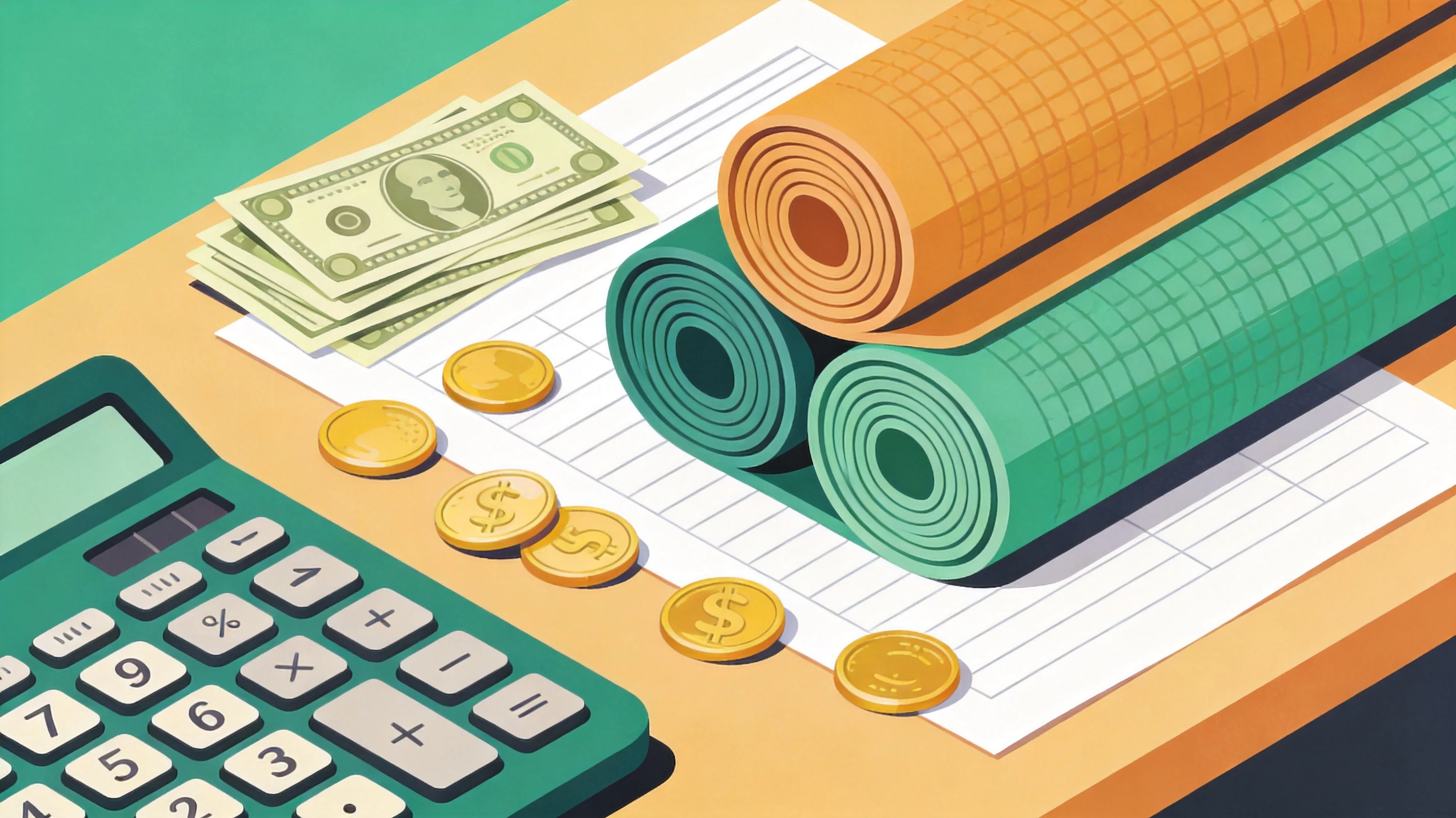
Economy Packs Versus Commercial-Grade Mats
The cheap-versus-durable decision is really a replacement-cycle decision:
- Thin PVC economy mats are fine for gentle or beginner formats and for trial periods. Expect six to twelve months of shared-class life before edges fray and grip fades.
- Mid-range TPE mats roughly double that lifespan and clean up faster, making them the workhorse choice for mixed schedules.
- Dense natural rubber and high-density TPE — the territory where GXMMAT and CHEETE operate — cost the most upfront but hold grip and structure through two to four years of daily classes.
Run a simple three-year model: replacing a nine-dollar economy mat twice a year for twenty mats costs more than one purchase of mid-grade mats, before counting the staff hours spent swapping out dead units. REI notes that both material and thickness drive lifespan, which is exactly why the pricier option wins on cost per use.
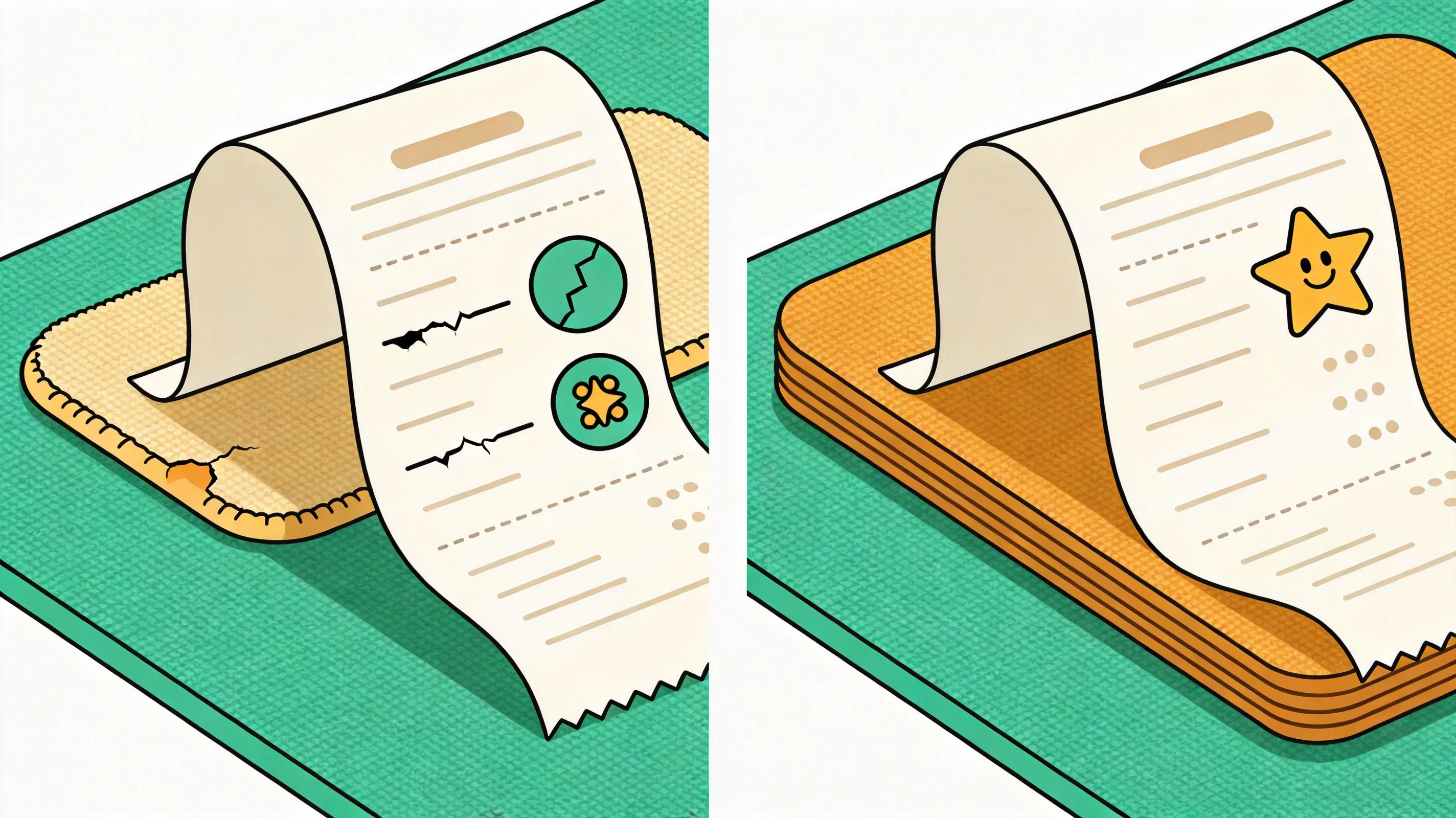
Phase The Purchase Without Cash Shock
Few new studios need every mat on day one. A practical rollout:
- Week one: outfit your busiest room and rental shelf with bulk packs — this is where the nine-to-fifteen-dollar tier makes sense as coverage, not as a long-term plan.
- Quarterly: convert revenue into upgrades for the highest-wear zones, replacing economy units with denser mats as they retire.
- Year-end: audit what survived. Your actual attrition rate tells you what next year's budget truly needs, not what a supplier brochure implies.
This approach keeps cash flow sane and means you never again buy a full fleet blind.

Where Bundles And Volume Deals Pay Off
Suppliers reward consolidated orders: ten-packs commonly drop the per-unit price below single-retail levels, and twenty-pack tiers dip further. If you also need blocks, straps, or carrying straps, bundle sets cut shipping and admin overhead compared with piecemeal buys. Just verify thickness and material specs line for line — a bundle is only a deal if the mats would have been on your list anyway.
Bottom line
Budgeting a whole class comes down to counting heads honestly, pricing replacements over years rather than weeks, and letting revenue fund the upgrade path. When your volumes grow past standard packs and you want custom density, sizing, or branded mats for the studio floor, an OEM and private label partner can quote directly against your spec — usually the cheapest per-mat route once orders pass a few dozen units.