
Key Takeaways
- The best senior mat is firm with cushion — dense support around 8–10 mm protects knees and hips without wobbling underfoot.
- Slip resistance is a safety feature, not a nice-to-have; look for textured surfaces on top and bottom.
- Extra width helps confidence: more surface means easier transitions from chair or floor.
- Gentle practices like chair-assisted stretching benefit from a larger mat that covers getting down and up safely.
Why firm support beats soft squish
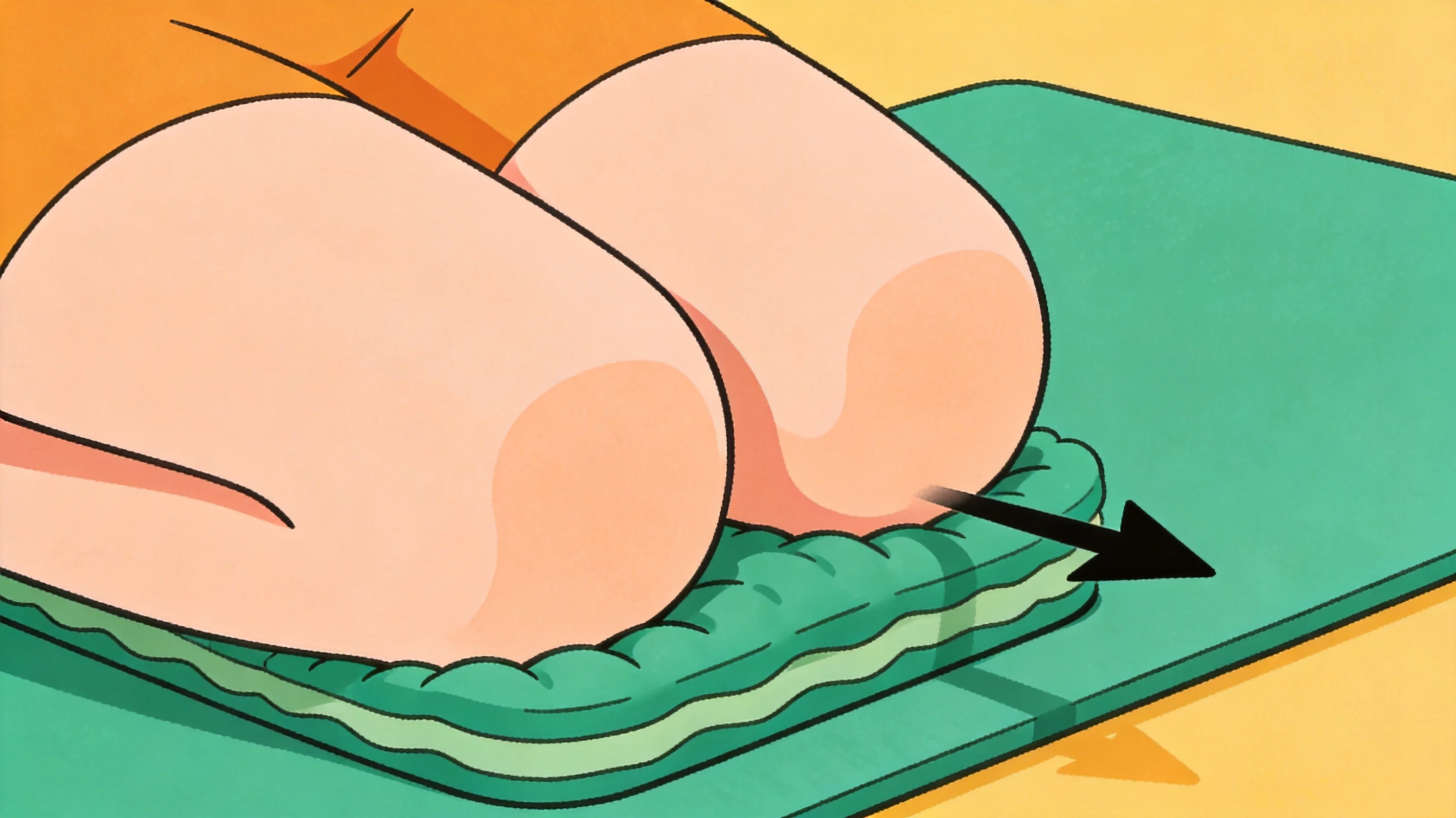
It sounds backwards, but the plushest mat is rarely the safest one for older practitioners. A very soft foam mat lets your knees sink all the way through to the floor, which strains joints instead of protecting them. It also shifts under your feet, making balance poses feel like standing on a mattress.
What mature joints want is density: material that compresses just slightly under pressure and then pushes back. That gentle resistance keeps knees, hips and wrists elevated and comfortable, while giving your feet a stable platform. Firm support plus cushioning is the combination that makes gentle yoga feel good the next morning too.
The right thickness and density
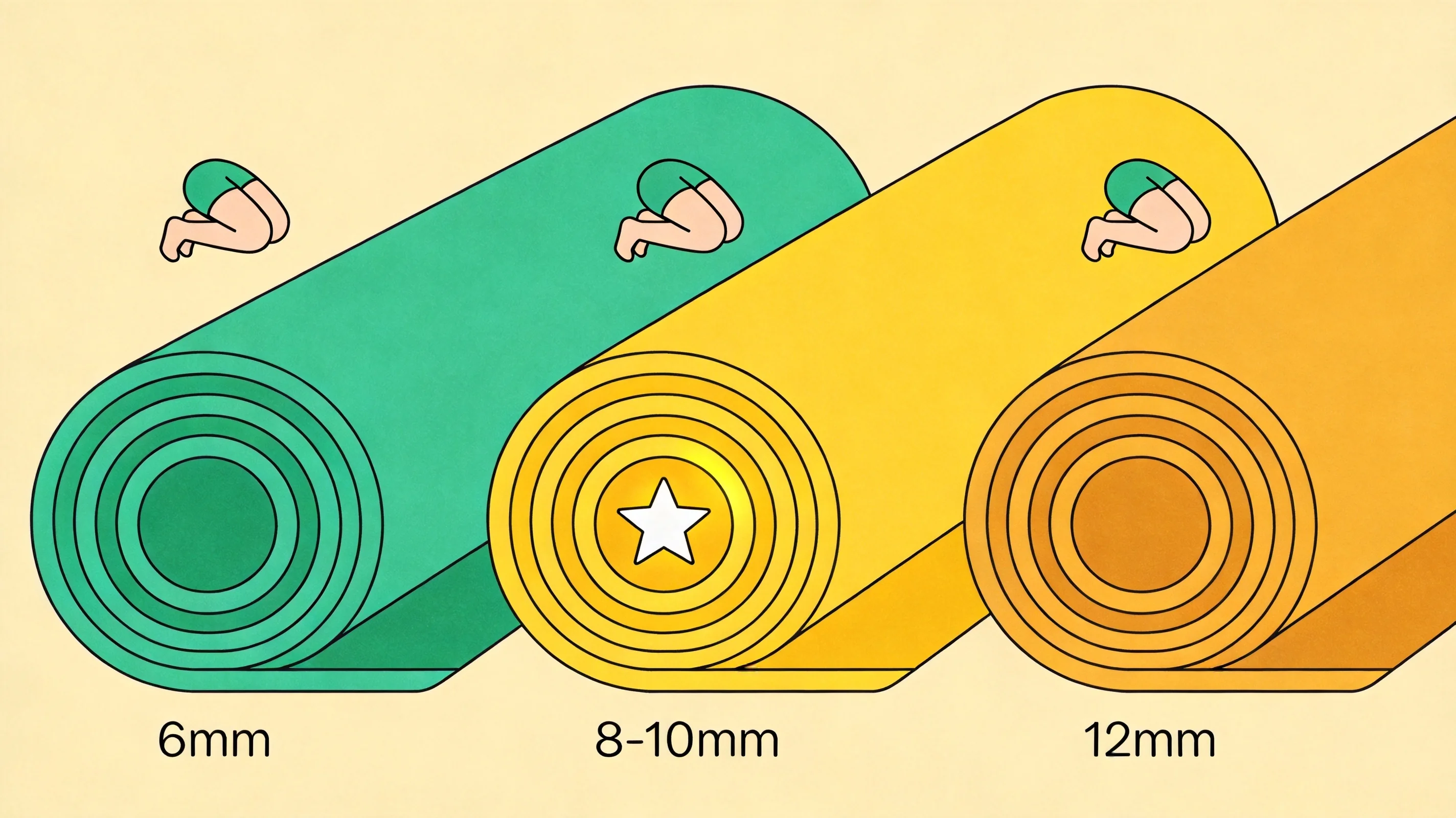
Here is a practical range for gentle, joint-friendly practice:
- 6 mm dense: good for those who mostly stand or use a chair, with occasional floor work.
- 8–10 mm high-density: the sweet spot for seniors who spend real time on the floor — kneeling, seated stretches, supported bridges.
- 12 mm+ soft foam: feels luxurious in the store but usually bottoms out under knees and destabilizes balance.
The trick is reading past thickness numbers to density. A well-made extra-thick mat such as the GXMMAT Extra Thick Large Yoga Mat 7'x5'x9mm stays supportive even at nearly double standard thickness, because its high-density core resists compression instead of collapsing into it.
Grip and fall prevention
For anyone with balance concerns, the mat's grip profile matters as much as its padding:
- Top surface: needs texture that holds hands and feet even with light moisture.
- Bottom surface: needs to lock onto hard floors and rugs so the mat never slides mid-pose.
- Edges: lie flat immediately when unrolled — curled corners are a genuine trip hazard.
Practicing near a wall, counter or sturdy chair adds a second layer of safety no mat can replace, so set up within arm's reach of something solid.
Space for gentle movement
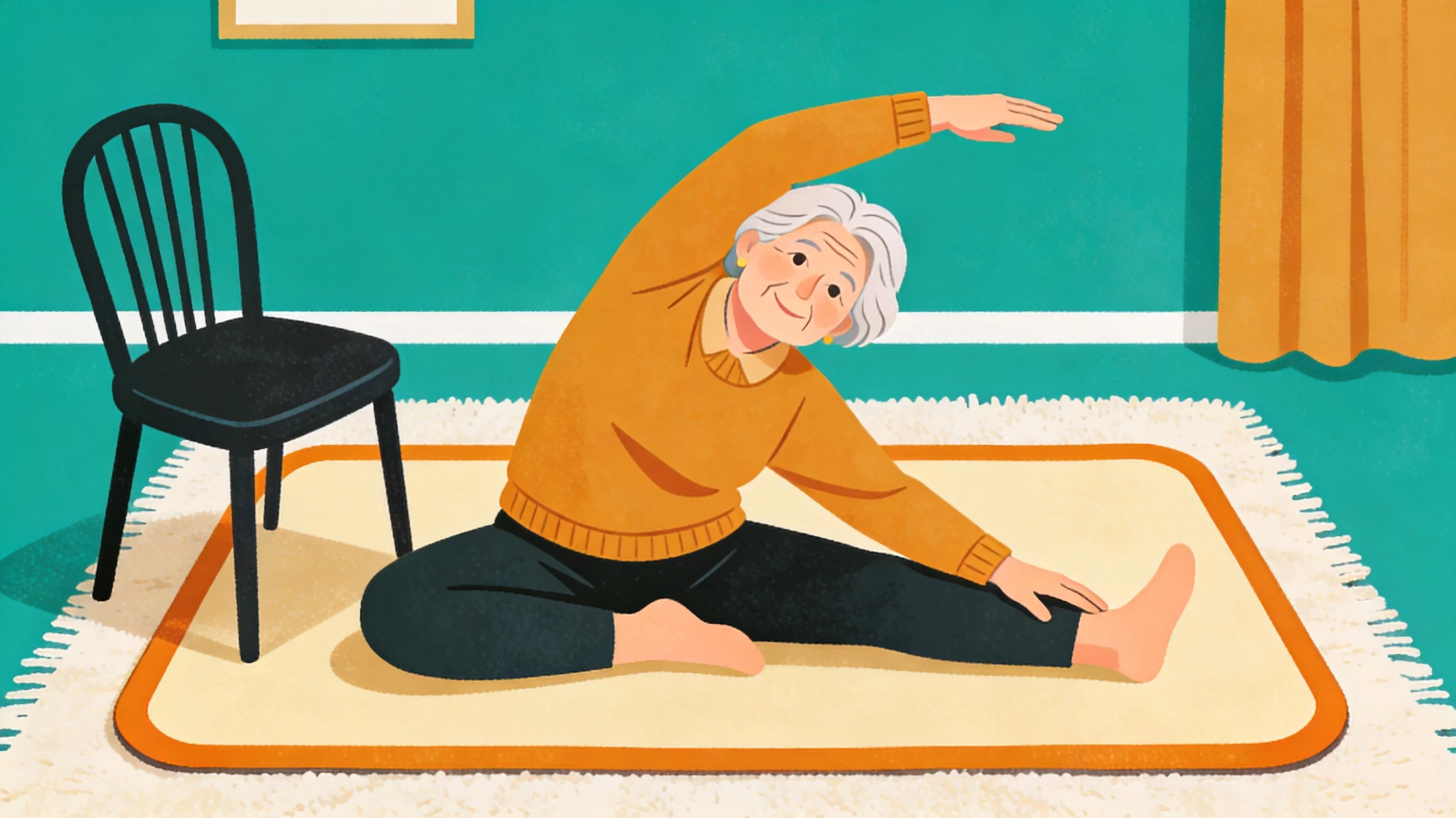
Senior-focused practice often involves wider movements — side-lying stretches, leg lifts, getting down and up with hands on the floor. A standard-width mat can feel like a tightrope during these transitions. Extra room changes the experience entirely.
Broad mats designed for home gyms work beautifully here. The CHEETE Large Exercise Mat, for instance, gives you several feet of cushioned surface in every direction: room to extend limbs fully, space for a chair or wall support alongside you, and no need to reposition the mat between exercises.
Comfort extras that help
Small additions make gentle practice even kinder to the body:
- Folded blanket or cushion under knees during tabletop poses.
- Yoga blocks to bring the floor closer in standing forward folds.
- A wall or counter within reach for standing balance support.
- Socks with grips for the walk from your chair to the mat.
None of these replace a good mat; they simply round out a setup designed around safety and comfort.
Bottom line
For gentle practice after 60 (or before), choose a mat that is dense rather than just soft, grippy on both sides, and generous in size. Around 8–10 mm of high-density cushioning protects joints, a stable base protects your balance, and extra width protects your confidence. Set up near something solid, move slowly, and let the mat do its quiet job of keeping every session comfortable.