
Key Takeaways
- Sore knees are the #1 reason people hunt for a thicker mat — and the guidance is more nuanced than "go thicker."
- For most yogis, 4-5mm is the sweet spot: enough cushion, enough stability.
- For sensitive knees, 6mm and up helps — but only if the foam is high-density.
- Density matters as much as thickness. A thick but mushy mat can actually hurt more than a firm thin one.
- Balance-heavy practices need a firmer mat; restorative and floor work love extra padding.
Why thickness matters for your knees
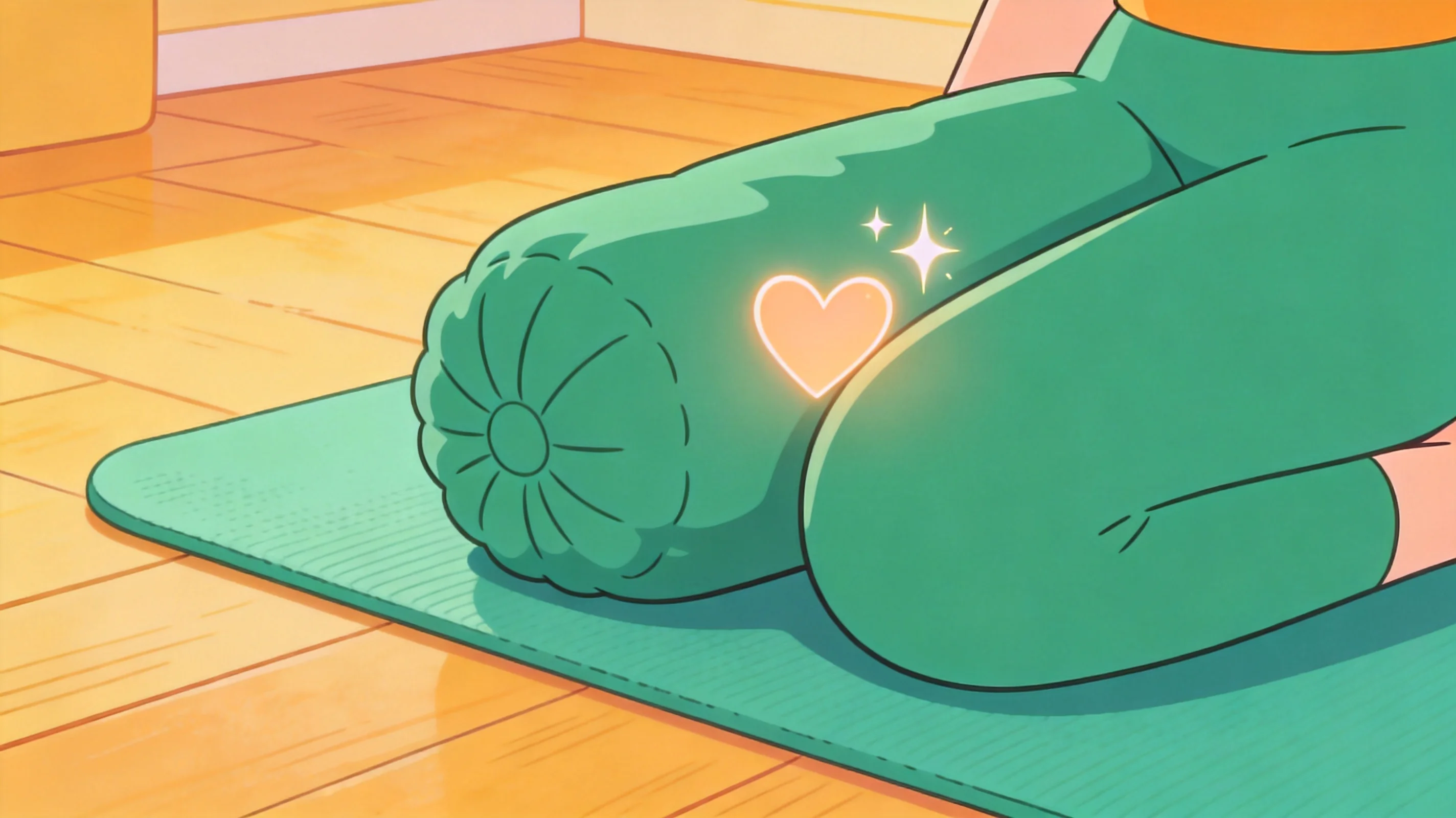
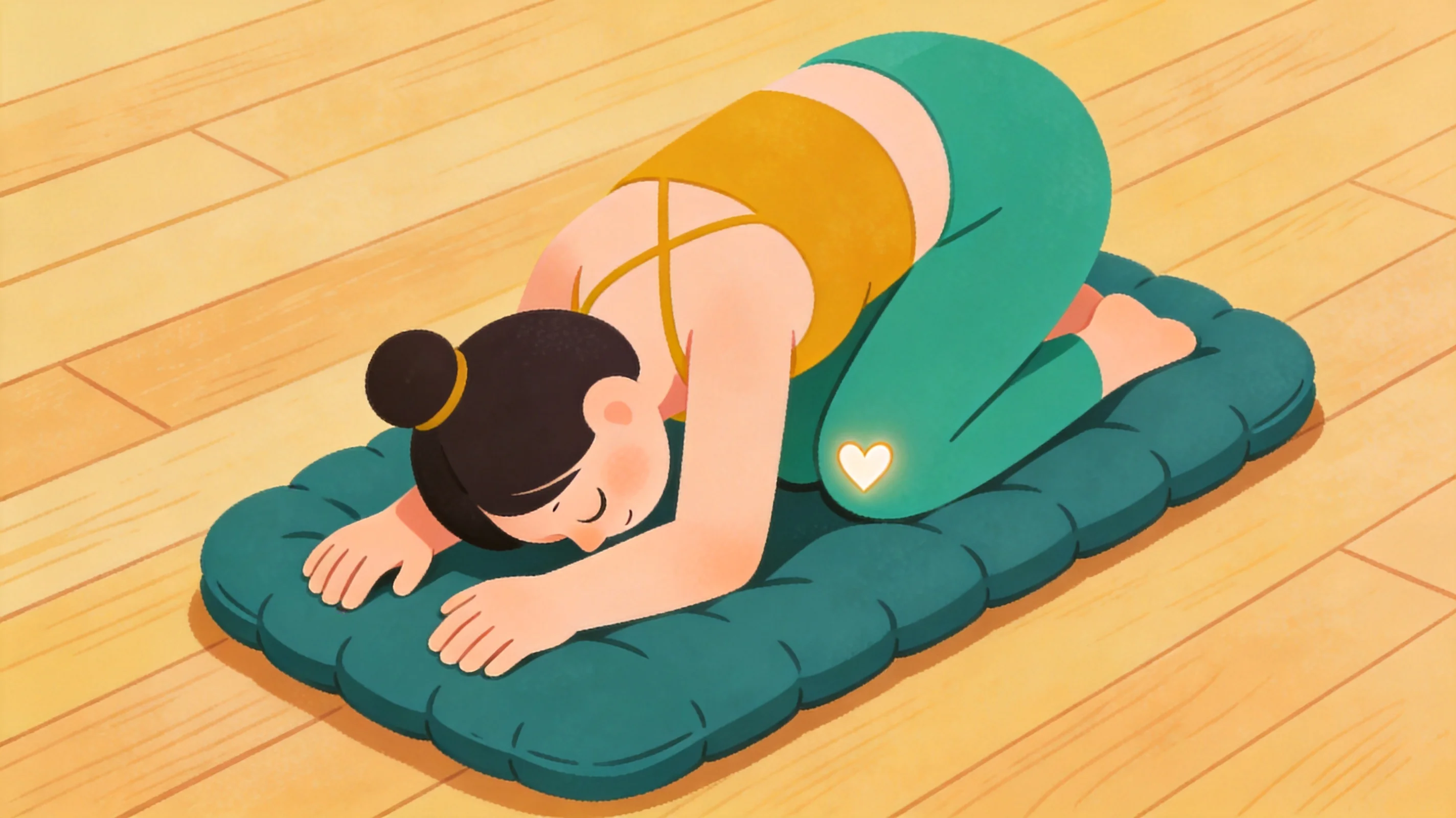
In kneeling poses like child's pose or low lunge, your knee presses toward a hard floor. On a thin standard mat, that's a stiff, sometimes painful contact — the feeling of "bottoming out." The right thickness softens that landing.
But thickness isn't the whole story. A thick mat with loose, low-density foam lets your knee sink too far, and a sinking knee can strain more than a firm contact. That's why pros talk about density as much as millimeters: you want a mat that cushions without swallowing your joint.
Thickness guide by millimeters
Here's a practical map of what each range actually does for your knees:
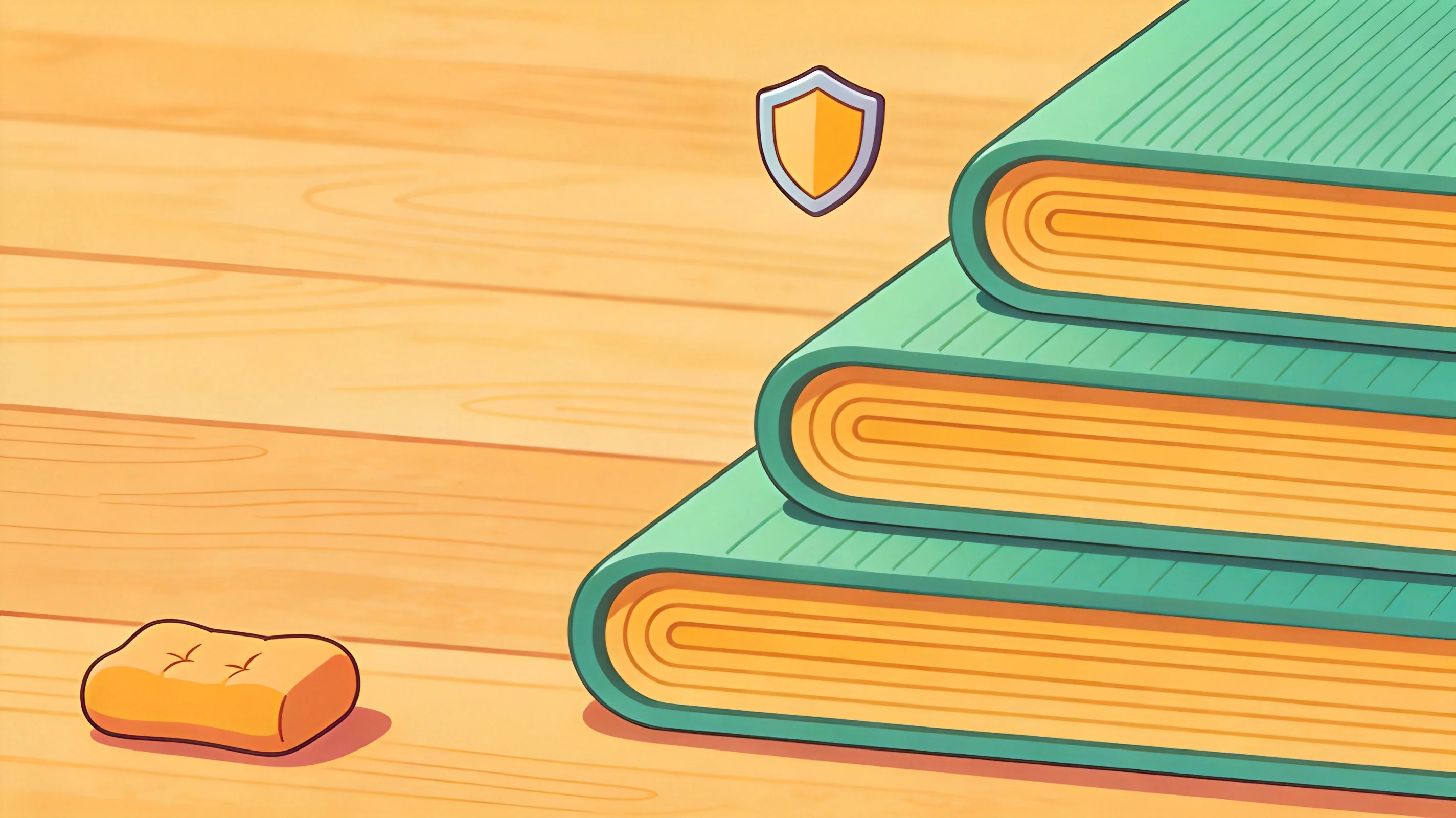
- 2-3mm: Firm, connects you to the floor. Good for travel and balance-heavy standing practice, but thin for sensitive knees.
- 4-5mm: The all-rounder. Enough pad for most joints, firm enough for balance. This is where most yogis land.
- 6-8mm: Noticeably softer. Easier on knees, wrists and tailbone during floor and kneeling work. Best if high-density.
- 10mm+: Extra-thick cushioning for maximum joint relief, restorative yoga and floor exercises. Watch stability in standing poses.
If knee pain is a real concern, aim for at least 6mm — and if possible, higher-density foam rather than maximum squish.
The trade-off: cushion vs stability
Here's the catch with thick mats. In standing balance poses, too much padding underneath you is like standing on a pillow — your foot swims, your ankle works overtime, and the pose gets shaky.
The fix isn't to go thin. It's to match the mat to your practice:
- Restorative, Yin, or floor-focused → thicker is your friend.
- Vinyasa, power, or standing balances → medium thickness with high density.
- Mixed practice → a high-density 4-6mm mat usually does it all.
How to choose for your knees
Ask three questions before you buy:
- What does your practice look like? If you spend long holds on the floor, more padding helps. If you stand a lot, favor firmness.
- How is your joint condition? Chronic knee pain or older joints point toward 6mm+ high-density. Comfortable knees can stick with 4-5mm.
- What's your body weight? Heavier practitioners often sink deeper, so a thicker, denser mat gives better support.
Seniors and anyone with sensitive joints typically prefer the extra-thick route — just pick material and density that stays firm rather than mushy.
Care tips for thicker mats
Thicker mats hold more material and last longer with a little attention:
- Clean after practice to stop sweat breaking down the foam over time.
- Roll rather than fold to avoid permanent creases.
- Lay flat occasionally so it keeps its shape and cushioning.
- Check density over time — a mat that compresses easily is losing its job.
Bottom line
For sore or sensitive knees, don't just grab the thickest mat you can find. Aim for 6mm or more, ideally high-density, and match it to whether your practice is on the floor or on your feet. Protect the joint, keep the stability — that's the whole trick.
Choose thickness for comfort, density for support, and both for knees that thank you.