Introduction
Zen and yoga come from the same family. Both are ancient paths built on one simple idea: pay attention to what is happening right now. When you combine them, you get more than a workout. You get a practice that calms the nervous system, sharpens focus, and makes every pose feel lighter.
In this guide we look at what zen yoga actually is, what the research says, and how to build a simple daily routine at home. No prior experience needed. Just a quiet space and a few minutes a day.
What Zen Yoga Is (And What It Isn't)
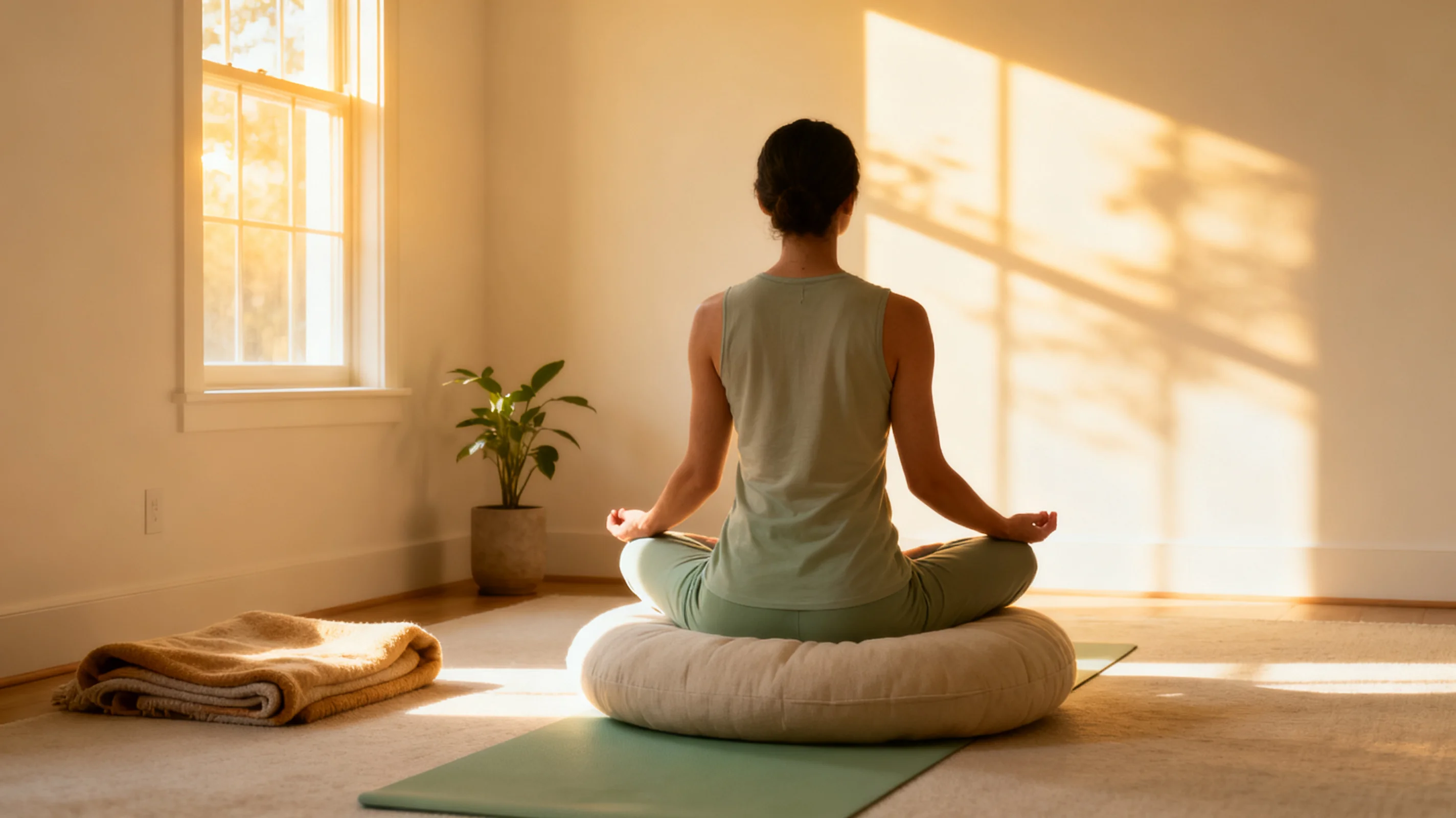
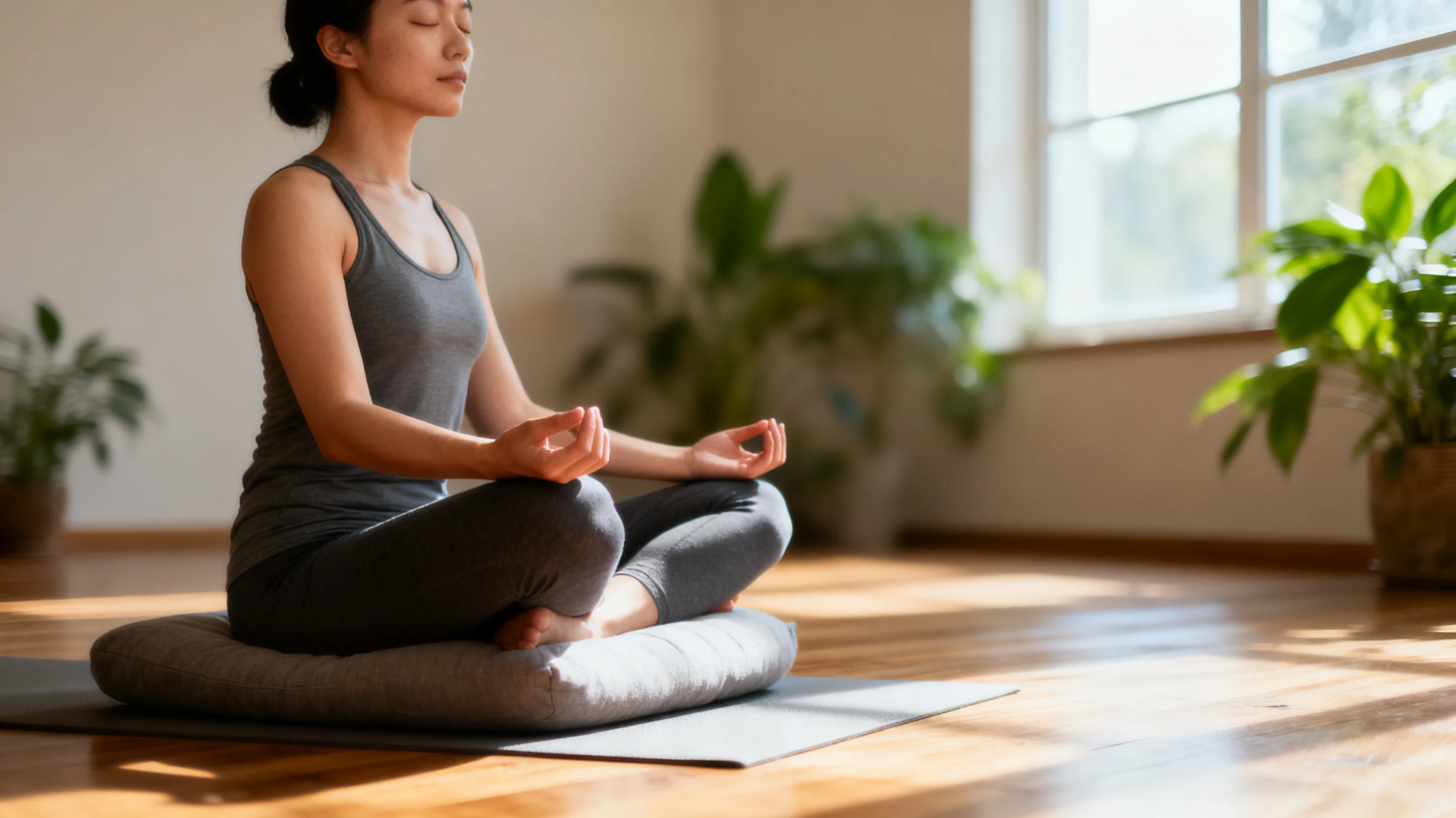
Zen practice centres on zazen, or seated meditation. The goal is not to empty your mind. The goal is to notice thoughts without chasing them. You sit, you breathe, and you let the chatter pass by like traffic outside a window.
Yoga adds movement. The postures, or asanas, train the same skill in a different way. When you hold a balancing pose, your mind wants to plan dinner. You bring it back. Again and again.
Put them together and you get a loop:
- The mat makes you breathe and move
- The meditation makes you watch what the movement stirs up
- The watching makes the next pose calmer
What zen yoga is not is a quick fix or a religion. It is a practice, which means it grows with repetition.
The Science Behind Stillness
The mental benefits are not just anecdotes. A 2009 review by Chiesa looked at the existing evidence on zen meditation and found it could help with attention, stress regulation, and emotional balance, although the authors also noted that more high-quality studies were needed (Journal of Alternative and Complementary Medicine).
A 2017 meta-analysis by Pascoe and colleagues pooled data from dozens of trials and found that both yoga and mindfulness practices were linked to lower stress-related physiological measures like blood pressure and heart rate (Psychoneuroendocrinology).
The RELAX study, a randomized trial published in 2022, directly compared eight weeks of yoga with eight weeks of mindfulness training. Both groups improved, and the researchers reported that the two approaches appear to work through partially overlapping mechanisms, with mindfulness leaning on attentional skills and yoga adding a physical layer (Stress and Health).
More recent work continues to support this. A 2025 randomized controlled trial comparing meditation, yoga, and stress education found measurable improvements in stress-related markers across the meditation and yoga arms (Frontiers in Psychology).
The takeaway is straightforward: stillness is not laziness. It is measurable, trainable, and it changes your body.
A Simple 15-Minute Zen Practice
You do not need a studio or a teacher to start. Here is a routine short enough to fit into a busy morning.
1. Set the space
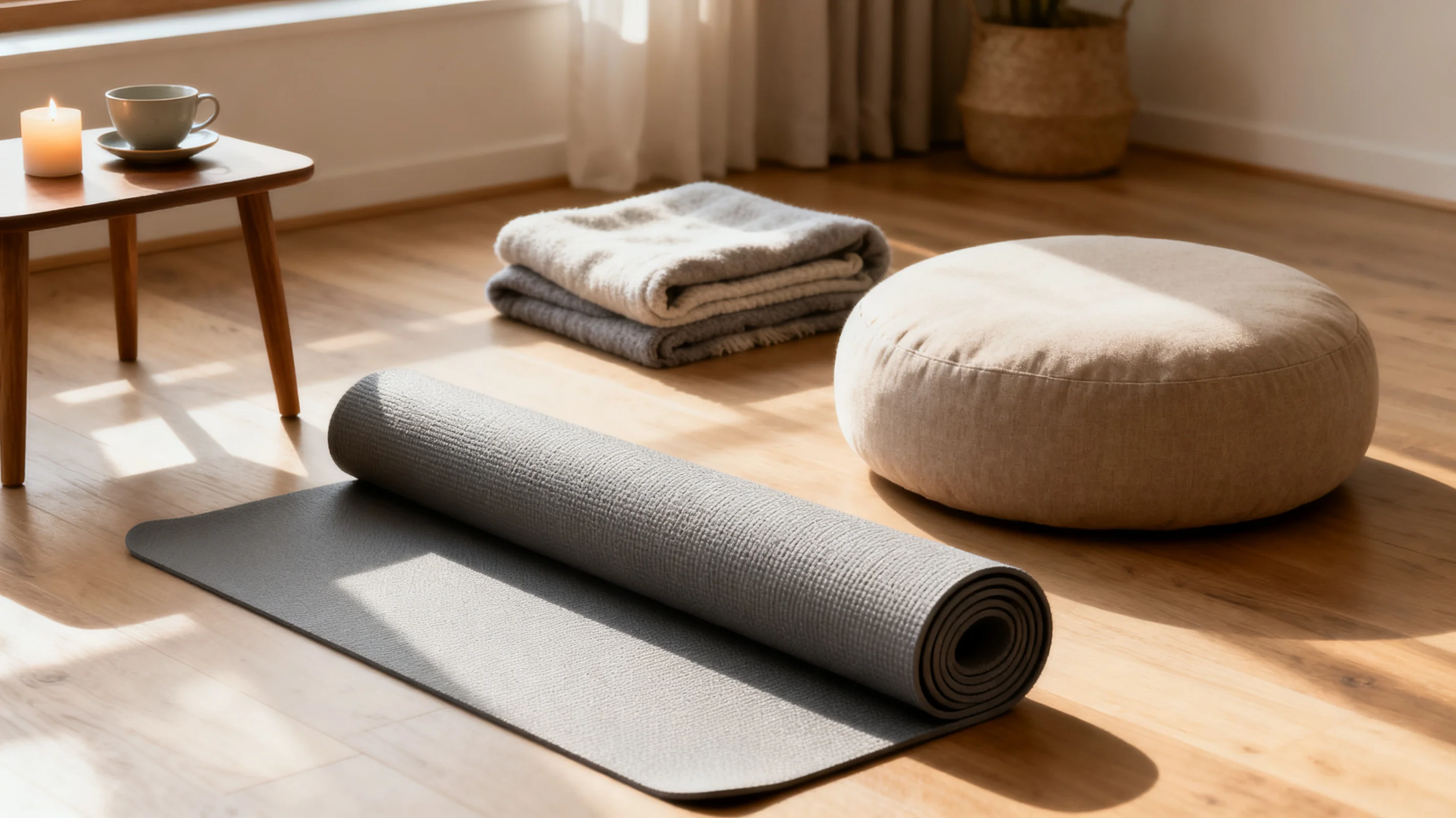
Pick a corner that is quiet. Sit on a cushion or a folded mat so your hips sit higher than your knees. Your high-density mat works well here because it keeps joints comfortable for the whole session. Dim the lights if you can.
2. Count your breath (5 minutes)
Sit upright, hands resting on your thighs. Breathe in through the nose, out through the nose. Count one on the out-breath, two on the next. When you reach ten, start over.
You will drift. That is the point of the exercise, not the failure. Every time you notice you have wandered, gently come back to the count.
3. Slow seated movement (5 minutes)
Stay on the mat. Move through three gentle poses, holding each for a minute:
- Easy pose — cross-legged, spine tall, eyes soft
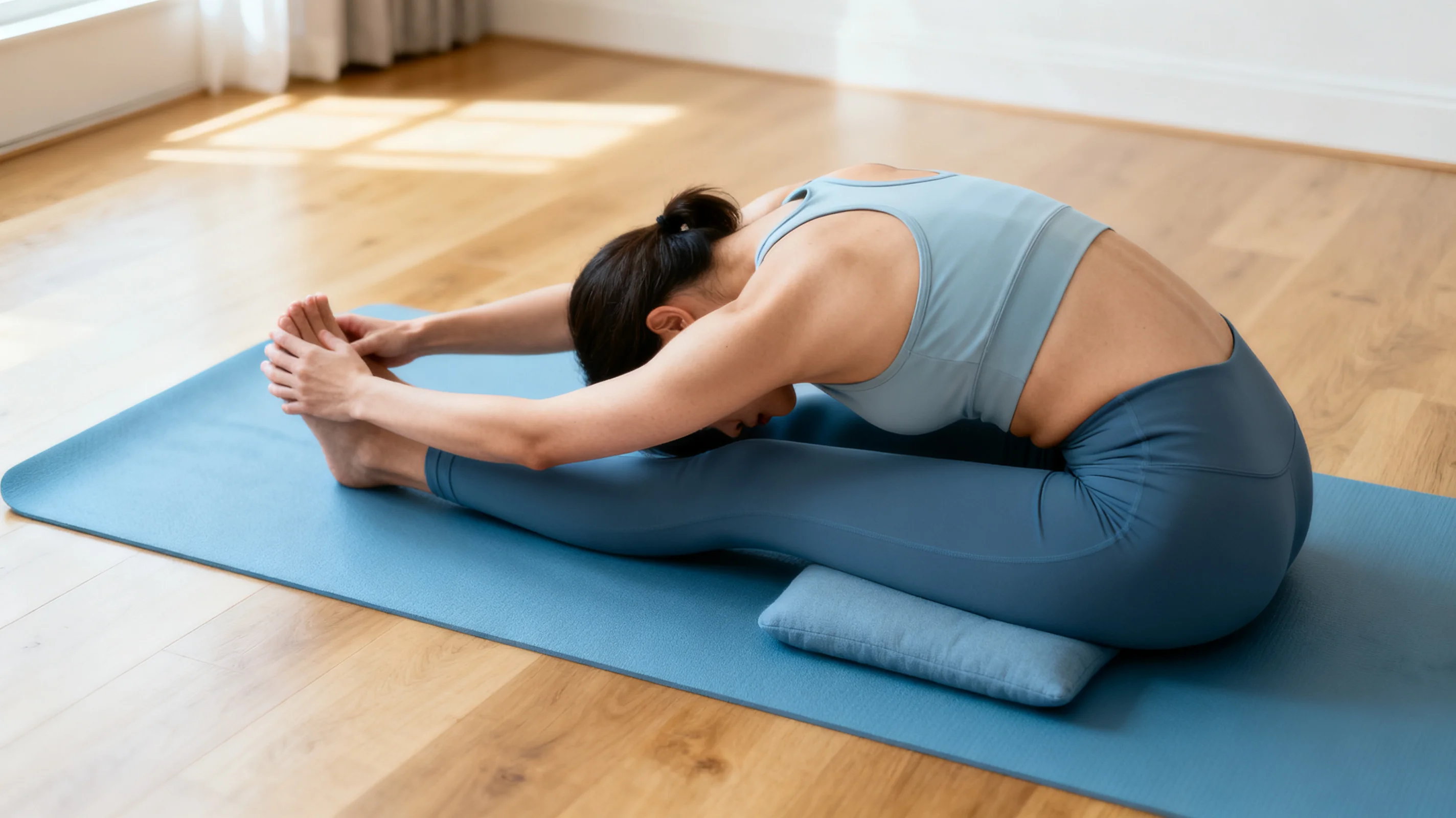
- Seated forward fold — hinge from the hips, let the neck relax
- Thread the needle — release the shoulders and upper back
These poses are deliberately simple. Their job is to keep the body comfortable so the mind can stay still.
4. Closing breath (5 minutes)
Lie on your back. Place one hand on your belly and one on your chest. Breathe so the belly hand rises more than the chest hand. Do this for five minutes, then take a final slow breath and roll to your side.
Building a Daily Home Practice
The biggest mistake beginners make is aiming for an hour. Start smaller. Ten minutes a day beats ninety minutes on Sunday.
Here are the habits that actually stick:
- Anchor it to an existing routine — meditate right after your morning coffee or before bed
- Use the same spot every day — the corner itself becomes a trigger
- Keep the mat out — visible equipment reminds you to practice
- Forget streaks — if you miss a day, just do two minutes the next day
Comfort matters more than people admit. Cold floors and thin mats turn a five-minute sit into a fidget session. That is why many home practitioners choose a thicker mat (7-10mm) for seated practices. The extra cushioning is not luxury, it is support.
If your knees or hips complain in cross-legged sitting, try these tweaks:
- Sit on a higher cushion
- Extend one leg while the other is folded
- Do the practice sitting in a chair, feet flat on the floor
Common Questions
Do I need a mat for zen meditation?
A mat is not strictly required, but it helps. A cushioned surface keeps your sit bones and knees comfortable, which lets you stay still for longer. A 7mm or thicker mat is a practical choice for combined meditation and yoga sessions.
How long should I meditate?
Start with five minutes and build up. Ten to fifteen minutes a day is enough to see a difference over a few weeks. Consistency matters far more than duration.
Can zen practice replace exercise?
No. Zen yoga is a complement, not a replacement. It supports recovery, mobility, and mental clarity, but you still need cardiovascular and strength training for overall health.
What is the best time of day to practice?
The best time is the one you can repeat. Morning practice sets a calm tone for the day; evening practice helps unwind. Experiment and pick the slot that survives your schedule.
Do I need a teacher to start?
No. Guided sessions online and the routine above are enough to begin. A teacher becomes useful when you want to go deeper or when you have specific injuries.
Conclusion
Zen and yoga reinforce each other. Yoga makes the body comfortable enough to sit still. Meditation makes the mind calm enough to move with intention. Together they turn a workout into a practice.
Start with one breath. Count it. Then count the next. That is the whole secret, and it is available to you tonight.